


Addressing Strange Duct Rattles in Sugar Hill's Older Split-Level Homes

When the First Fall Chill Brings Strange Noises to Your Vents
Your furnace kicks on for that first chilly October night, but instead of just a quiet rush of warm air, you are greeted by a persistent metallic rattling echoing through the vents. Addressing strange duct rattles in Sugar Hill's older split-level homes is a common challenge that requires more than just a quick glance at the thermostat. The abrupt October overnight temperature drops in North Georgia prompt the first heavy furnace cycles of the year, bringing dormant metal ductwork back to life—often loudly.
Not all duct noises are created equal. Some sounds are simply the harmless result of seasonal thermal expansion, while others serve as an early warning sign of structural fatigue or failing metal joints. Because of the unique architectural layout of staggered-floor homes, identifying the true source of the noise requires an understanding of how air travels through long vertical shafts. The goal is to help you distinguish between a normal seasonal quirk and a mechanical issue that requires professional intervention.
If you are tired of listening to your ductwork bang and vibrate every time the heat cycles on, exploring comprehensive HVAC services can help pinpoint the exact structural failure in your home's air distribution system.
The Architectural Reality of Gwinnett County's Aging Split-Levels
During the residential building boom of the 1980s, multi-floor split-level architecture became incredibly popular across the region. While these staggered floor plans offer excellent living space separation, they present a distinct challenge for air distribution. To properly heat and cool these staggered levels, builders had to install long, vertical duct runs that travel from the basement or lowest level all the way up to the top-floor bedrooms.
The materials of the era: Most of these homes were outfitted with heavy, galvanized steel sheet metal ducts. At the time, this was the gold standard for residential construction. However, galvanized steel is rigid and heavy. Suspending these massive metal trunks vertically between floors required an extensive network of metal hangers, straps, and brackets.
Decades of thermal stress: Fast forward forty years, and those original materials have endured thousands of heating and cooling cycles. Four decades of continuous thermal cycling puts immense physical stress on these vertical metal joints and hangers. As a homeowner, you need an HVAC partner who understands the specific quirks of this aging housing stock. At Southeast Heating & Cooling, our team has spent years servicing these specific 1980s layouts, and we know exactly where these historical systems tend to fail based on countless service calls throughout the area.
Because the ductwork is often hidden behind drywall in central chases, finding the source of a rattle requires familiarity with how these specific homes were framed. If you live in one of the many Sugar Hill split-level subdivisions, you likely share this exact ductwork layout with your neighbors. For residents dealing with these architectural challenges, we provide specialized support across all of our service areas in Gwinnett County.
The Physics of Thermal Expansion During Seasonal Transitions
To understand why your ducts suddenly become so noisy in the fall, you have to look at the basic physics of thermal expansion. Metal naturally expands when it gets hot and contracts as it cools down. During the summer, your ductwork stays relatively cool while running the air conditioner. But when the autumn heating startup occurs, the physics change dramatically.
The impact of unconditioned spaces: The transition to autumn creates the most drastic indoor and outdoor temperature differentials of the year. Many older homes have ductwork routed through unconditioned spaces like drafty crawlspaces or poorly insulated attics. On a cold October morning, the sheet metal in these areas might be sitting at 45 degrees. When your furnace suddenly blasts 120-degree air into those freezing cold ducts, the metal reacts instantly.
The acoustic result: This rapid temperature delta forces the dormant metal to expand quickly. As the overlapping seams of sheet metal push against one another, they create a distinct acoustic popping or ticking sound. A certain amount of this metallic popping is a completely natural result of rapid temperature change. The first heavy airflow of the season is simply waking up the dormant metal.
However, if the noise persists long after the initial temperature swing, or if it evolves into a continuous vibration, you are likely dealing with more than just thermal expansion. When the physical structure of the ductwork begins to fail, securing a professional heating system repair is the safest way to restore quiet operation and prevent energy loss.
Distinguishing Between Harmless Popping and Failing Duct Joints
Knowing exactly what to listen for can save you from unnecessary worry—or help you catch a failing duct joint before it causes a major spike in your energy bills. Because acoustic rattles often echo and amplify through the long vertical duct shafts of a split-level home, the sound might seem like it is coming from a bedroom vent when the actual failure is down in the basement.
Here is how you can evaluate the noises you are hearing during the 1980s home heating season:
• Duration of Noise — Normal Thermal Expansion: Brief; lasts only 1-2 minutes after the blower starts or stops. — Failing Joints or Hangers: Continuous; persists the entire time the heating system is running.
• Type of Sound — Normal Thermal Expansion: Intermittent ticking, popping, or light pinging sounds. — Failing Joints or Hangers: Rapid metallic rattling, aggressive vibration, or a whistling hum.
• Consistency — Normal Thermal Expansion: Happens mostly during the first few cycles of a cold morning. — Failing Joints or Hangers: Happens every single time the blower motor engages, regardless of temperature.
• Action Required — Normal Thermal Expansion: Simply monitor the noise; no immediate action is needed. — Failing Joints or Hangers: Call for a professional inspection to locate and secure the structural failure.
When to call a professional: If you are hearing a continuous, vibrating rattle that shakes the drywall or persists for the entire 15-minute heating cycle, the issue is structural. Ignoring a continuous vibration will eventually lead to joint separation, which allows your expensive heated air to escape into the walls instead of reaching your living spaces.

Common Causes of Persistent Rattles in Multi-Floor Duct Layouts
When our technicians at Southeast Heating & Cooling are called out to inspect structural duct failures in Sugar Hill split-level subdivisions, we consistently run into a few specific mechanical culprits. The long vertical drops and staggered horizontal runs create unique stress points in the system.
1. Loose Screws and Failing Support Brackets: The heavy galvanized steel trunks are suspended by metal strapping. Over decades of expansion and contraction, the screws holding these straps can back out of the floor joists. When a strap comes loose, the metal duct rests directly against the home's wooden framing, causing a loud vibration every time the blower turns on.
2. Fatigued Galvanized Steel Joints: Sheet metal ducts are pieced together in sections. Originally, these seams were sealed with standard cloth duct tape (which degrades quickly) or basic mechanical crimping. After forty years, these joints lose their seal, allowing the overlapping metal edges to chatter against one another.
3. Debris or Loose Internal Dampers: Many older systems feature manual metal dampers inside the ducts to control airflow to different rooms. The wingnuts holding these dampers in place can rust or vibrate loose over time. A loose damper blade will flutter wildly in the air stream, sounding exactly like a harsh metallic rattle.
The Role of Static Pressure
One major factor that accelerates duct noise in older homes is static pressure. If you have recently upgraded your primary heating equipment but kept the original 1980s ductwork, you might experience a mismatch in airflow. Modern blowers are incredibly powerful and push a higher volume of air than older units.
When you force heavy heating airflow through older, undersized, or restrictive duct transitions, it dramatically increases the static pressure inside the metal walls. This excess pressure acts like a wind tunnel, forcing any loose metal components, unsealed seams, or weak brackets to vibrate rapidly under the strain. For homes utilizing modern electric heating, ensuring your ductwork can handle the airflow is a critical part of comprehensive heat pump services.
The Hidden Costs of Ignoring Persistent Duct Noise
It is tempting to just turn up the television and ignore a rattling vent, especially if the house still feels relatively warm. However, allowing a persistent structural vibration to continue in a 1980s home carries significant hidden costs that go far beyond a simple acoustic annoyance.
Energy loss and unsealed gaps: Rattling joints almost always indicate unsealed gaps in the sheet metal. When a joint vibrates loose, it breaks whatever remaining seal exists. This means a portion of the warm air you are paying to heat is escaping directly into your crawlspace, attic, or the hollow wall cavities between your staggered floors. You end up running your heating system longer just to reach the desired temperature in your living room.
Negative pressure and poor air quality: The reverse is also true. A pattern we see often is that ignoring these rattles leads to severe indoor air quality issues just as families are sealing up their homes for the winter. If a return duct joint shakes loose in an unconditioned space, it creates negative pressure. The system will start pulling dusty, unconditioned air, insulation particles, and crawlspace odors directly into your ductwork and blowing them all over your home. This severely degrades your indoor air quality and coats your furniture in a fine layer of dust.
Accelerated equipment degradation: Continuous vibration accelerates the degradation of the entire duct run. What starts as a single loose bracket can eventually cause an entire section of horizontal ductwork to sag and separate, turning a minor maintenance task into a major replacement project. Furthermore, the pressure imbalances caused by leaking ducts force your primary blower motor to work much harder, shortening its overall lifespan. Understanding how airflow issues impact your equipment is just as important as understanding unusual heat pump vibrations at the outdoor unit.
How Professionals Diagnose and Resolve Split-Level Duct Issues
Fixing a rattling duct in a multi-floor layout is rarely as simple as tightening a single screw. Because the noise echoes up and down the vertical shafts, finding the true source requires specialized diagnostic tools and professional methodology. Furthermore, accessing ductwork safely in tight crawlspaces or hidden wall chases requires expertise that goes well beyond standard DIY home maintenance.
Acoustic tracing and airflow measurement: During the autumn heating startup, our technicians use specialized acoustic tracing to follow the vibration back to its origin point. We also use tools like manometers and anemometers to measure the static pressure and air velocity at various points in the system. This ensures the blower is moving air efficiently without over-stressing the aging metal.
Professional remediation techniques: Once the failure point is located, the repair process focuses on long-term stability. We never use standard cloth tape for these repairs. Instead, our team applies a thick, rubberized mastic sealant to the failing joints. Mastic goes on wet and hardens into a durable, airtight seal that physically bonds the metal sections together, stopping both the air leak and the metallic chattering.
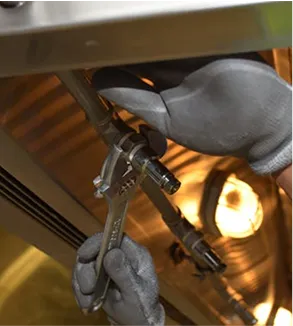
Technicians will also install heavy-duty, vibration-isolating hangers to secure sagging runs, ensuring the metal no longer rests directly against the home's wooden framing. If internal dampers are fluttering, they will be recalibrated and locked down tight. Because these repairs often involve working with sharp sheet metal, tight clearances, and precise airflow calculations, the remediation process should always be handled by licensed technicians.
Frequently Asked Questions About Duct Noise in Older Homes
Why do my air ducts rattle when the heat comes on?
Sudden temperature changes cause the cold metal to expand rapidly, which can result in temporary popping noises. However, a continuous rattle usually means the heavier airflow from the blower is increasing the static pressure inside the system. This pressure forces loose brackets, unsealed joints, or fatigued metal seams to vibrate against the home's wooden framing.
Is thermal expansion in ductwork dangerous?
Brief popping from thermal expansion is generally harmless and expected in older galvanized metal ducts. It does not pose an immediate safety risk to your family. However, if the expansion and contraction cycle leads to complete joint separation over decades, it can significantly reduce your system's efficiency by dumping heated air into unconditioned spaces.
How do you fix rattling ducts between floors?
Fixing ducts hidden between floors requires identifying the exact point of vibration, which often echoes. Professionals use specialized acoustic tools to find the loose joint, then access the area to install heavy-duty support brackets and apply professional-grade mastic sealant. The process often involves adjusting the system's overall airflow and static pressure to prevent the vibration from returning.
Why does my furnace sound like it's rattling?
If the noise is loudest right at the indoor unit rather than at the vents, the noise may originate at the equipment and echo outward through the ducts. This could indicate a loose blower wheel, a failing motor bearing, or a vibrating cabinet panel. Mechanical rattles inside the actual heating unit require immediate professional inspection to prevent severe equipment damage.
Can sealing ductwork reduce rattling noise?
Yes, applying a professional mastic sealant secures loose joints and stops the metal edges from vibrating against each other. Sealing the ductwork improves the structural rigidity of the entire run. It also stops the high-pitched whistling and hissing noises caused by pressurized air escaping through tiny cracks in the 1980s sheet metal.
Restore Quiet Comfort to Your Split-Level Home This Season
While a few light pops and ticks are a normal part of the seasonal transition, a persistent, metallic rattling in your older ductwork is a symptom you shouldn't ignore. As the temperatures continue to drop and your system works harder to keep your home comfortable, those unsealed joints and loose hangers will only waste energy and degrade your indoor air quality.
You don't have to spend the entire winter listening to your vents vibrate. Our team at Southeast Heating & Cooling understands the specific quirks, vertical layouts, and aging galvanized metal found in Sugar Hill split-level subdivisions. By scheduling a thorough professional fall inspection, you can ensure your air distribution system is properly sealed, structurally secure, and perfectly quiet for the cold months ahead.
Related Blogs
Customer Testimonials


Financing




Latest Blogs
Addressing Strange Duct Rattles in Sugar Hill's Older Split-Level Homes

Navigating 24-Hour Furnace Emergencies: What Justifies a Midnight Call in Buford

Why Your Heat Pump Is Vibrating During the Fall Startup (And When to Call a Pro)