


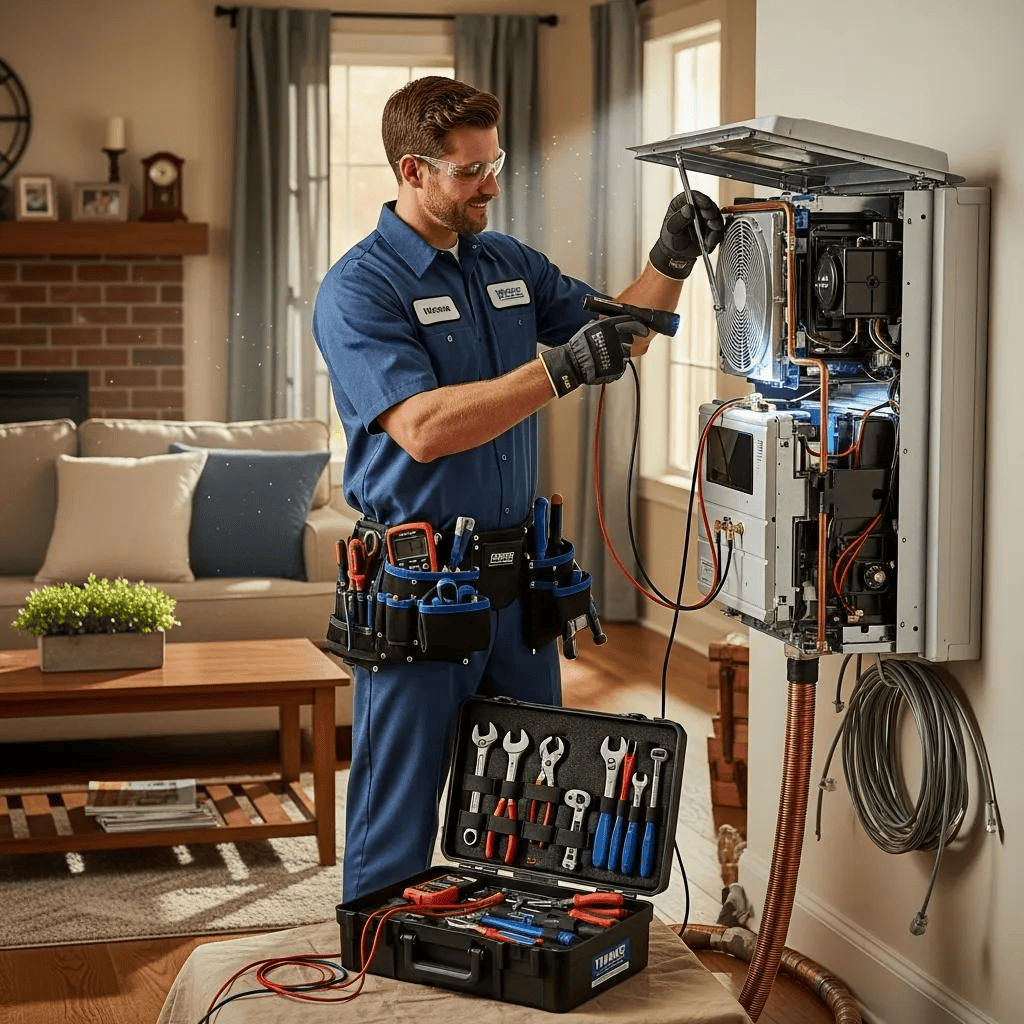
Why Proactive HVAC Maintenance Saves You Money & Headaches: Practical Tips for Cost Savings and Better Efficiency
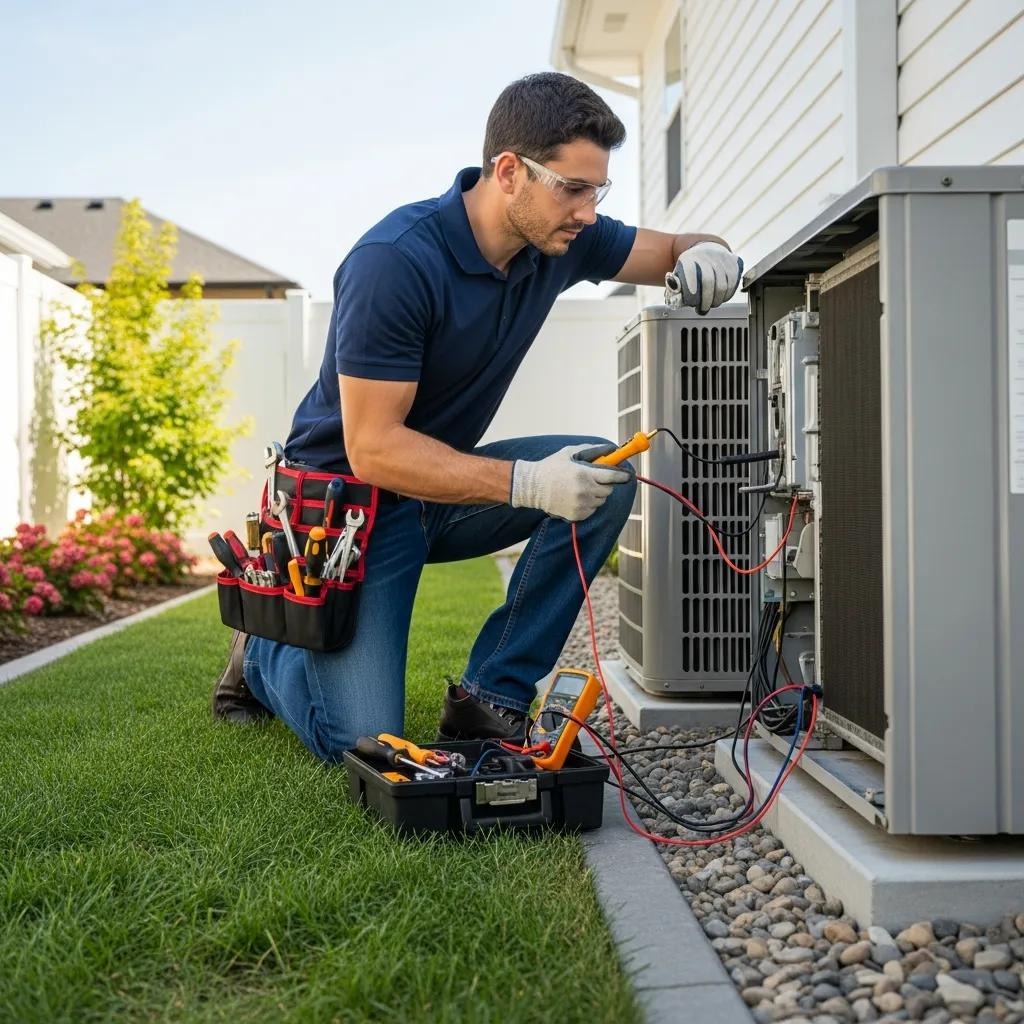
Regular HVAC maintenance protects your comfort and your budget. Whether you own a home or run a business, scheduled service helps prevent unexpected breakdowns, keeps equipment running efficiently, and stretches the life of your system. This article explains how proactive maintenance saves money, boosts efficiency, and reduces stress. We'll walk through the financial upsides, the benefits for homeowners and businesses, and practical steps you can take to get the most from your HVAC.
How Does Preventative HVAC Maintenance Reduce Repair Costs?
Preventative HVAC service lowers repair costs by catching small problems before they become major repairs. Routine inspections and tune-ups reveal worn parts, leaks, and other issues early — when fixes are quicker and cheaper. That steady care not only cuts immediate repair bills but also helps your system last longer and run more reliably over time.
Research repeatedly shows that simple preventive steps — like timely filter changes — are among the most effective ways to avoid large repair bills.
What Common Repairs Can Regular Maintenance Prevent?
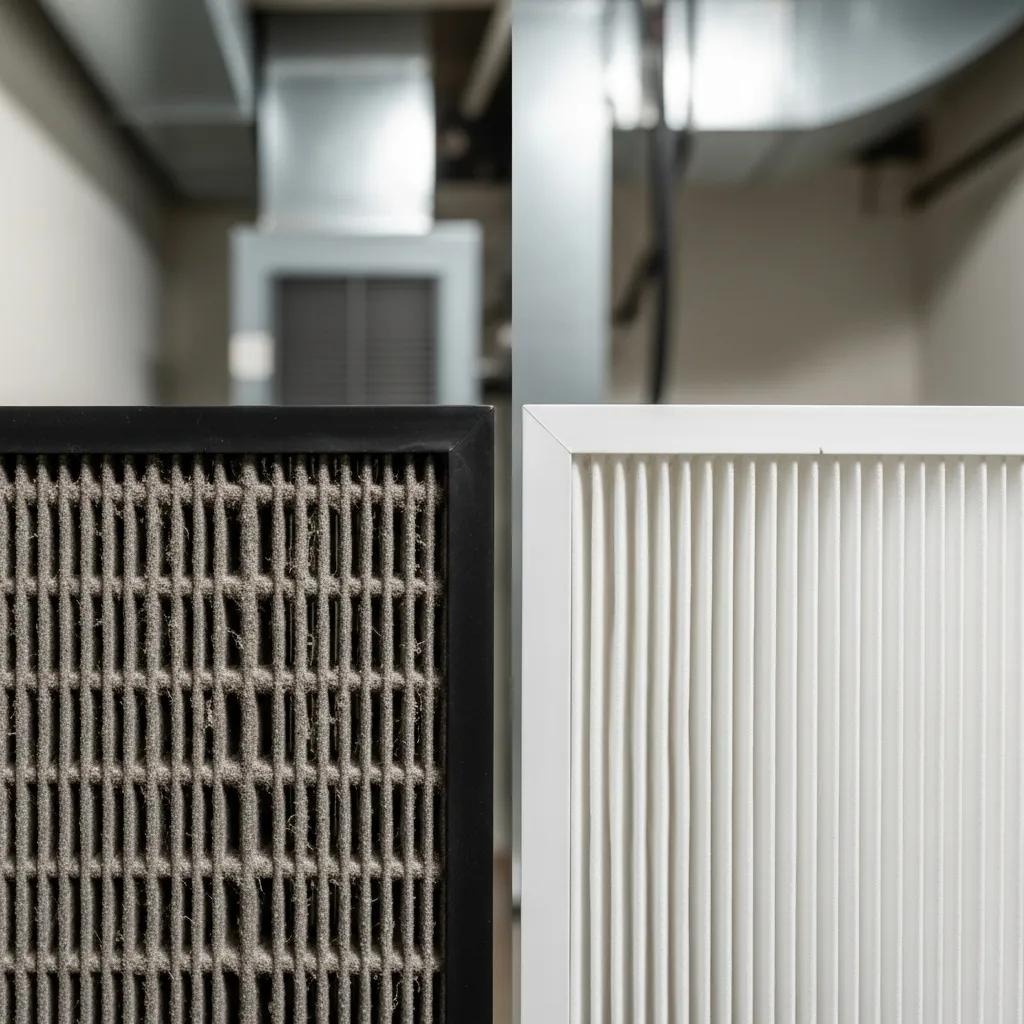
Regular maintenance helps prevent several common—and often costly—repairs, including:
• Refrigerant Leaks: Left unchecked, leaks reduce cooling capacity and drive up energy bills significantly. Addressing them promptly prevents further system strain and ensures efficient operation.
• Clogged Filters: Dirty filters restrict airflow, strain the system, and can cause breakdowns. Regular replacement or cleaning is crucial for maintaining optimal performance and air quality.
• Faulty Thermostats: Routine checks ensure accurate temperature control and prevent overworking the system. This helps maintain consistent indoor temperatures and avoids unnecessary energy consumption.
Spotting and fixing these issues early lets homeowners avoid substantial repair costs that could otherwise accumulate.
How Does Early Problem Detection Save Money?
Finding problems early translates directly to savings. For example, repairing a refrigerant leak quickly can cut cooling costs by as much as 30%. Routine maintenance also lowers the chance of emergency service calls, which often come with higher labor rates and rush fees. Investing in preventative care pays off with steadier expenses and fewer surprises.
What Are the Key Benefits of Preventative HVAC Service for Homeowners and Businesses?
Preventative HVAC service improves comfort, reduces operating costs, and supports a healthier indoor environment. Regular service keeps systems running closer to peak performance and reduces the likelihood of sudden failures.
• Improved Energy Efficiency: Properly maintained systems use less energy, which lowers utility bills. This translates to noticeable savings on monthly operating costs for both homes and businesses.
• Extended System Longevity: Routine care delays premature replacement and protects your investment. By extending the lifespan of your HVAC unit, you avoid the significant expense of early system upgrades.
• Enhanced Comfort and Air Quality: Clean components and correct airflow reduce allergens and improve indoor air. A well-maintained system ensures a more comfortable and healthier environment for occupants.
For homeowners and businesses across Northeast Georgia—customers we serve at Southeast Heating and Cooling LLC—these benefits mean more reliable comfort and lower operating costs.
How Can You Maximize HVAC System Efficiency with Proactive Maintenance?
Getting the best performance from your HVAC system is mostly about consistent care and a few targeted actions. Small steps done on schedule keep your equipment running efficiently and avoid bigger expenses later.
What HVAC System Efficiency Tips Should You Follow?

Try these practical tips to boost efficiency:
• Schedule Regular Tune-Ups: An annual inspection catches wear and tear before it becomes an emergency. These proactive visits are essential for identifying minor issues and preventing major system failures.
• Change Filters Every 1–3 Months: Clean filters keep airflow steady; frequency depends on usage and filter type. This simple task significantly impacts system efficiency and indoor air quality.
• Seal Ducts: Properly sealed ducts prevent energy loss and help the system deliver conditioned air where it's needed. Sealing ducts ensures that conditioned air reaches its intended destination without waste.
Following these simple practices can lower energy use and improve system reliability.
How Do Regular Tune-Ups Impact Energy Consumption?
Annual tune-ups can make a noticeable difference. Studies show properly maintained systems can run up to 15% more efficiently than neglected ones. That efficiency lowers monthly bills and reduces your carbon footprint—so maintenance is both a money and a planet-smart choice.
New tools, including machine learning for predictive maintenance, are also being explored to improve uptime and cut costs even further.
What Is the Difference Between HVAC Repair and Maintenance?
Knowing the difference helps you plan service effectively. Maintenance is routine care to prevent problems; repair fixes a system that's already malfunctioning. Both matter, but regular maintenance reduces the need for costly repairs.
When Is Repair Necessary Versus Scheduled Maintenance?
Repairs are needed when a component fails or the system isn't working properly—noises, loss of heating or cooling, or visible leaks are signs you need repair. Scheduled maintenance, by contrast, is the ongoing work that helps avoid those failures in the first place.
That preventive-versus-corrective distinction is a core principle in facility and equipment management: plan maintenance to lower total costs and improve reliability.
How Does Maintenance Prevent Costly Emergency Repairs?
Routine maintenance reduces emergency calls by resolving small issues during scheduled visits. Something as simple as cleaning condenser coils can prevent overheating and a total system shutdown—saving you the rush fees and higher labor costs that come with emergency service.
What Should a Comprehensive HVAC Maintenance Checklist Include?
A thorough maintenance checklist ensures technicians cover all key areas during a service visit. Use a checklist to make sure nothing important gets missed.
Which Seasonal Tasks Are Essential for HVAC Care?
Include these seasonal items on your checklist:
• Spring: Clean and inspect the outdoor unit and check refrigerant levels. This prepares your system for the increased demands of warmer weather.
• Summer: Replace or clean filters as needed and confirm proper airflow. Ensuring clean filters and good airflow is vital for efficient cooling during peak usage.
• Fall: Inspect heating elements and clean ducts if necessary. These steps are crucial for preparing your system for the colder months and ensuring safe, effective heating.
• Winter: Verify thermostat settings and check insulation and weather seals. Proper insulation and accurate thermostat control are key to maintaining warmth and energy efficiency.
These seasonal tasks help keep performance consistent and reduce the risk of unexpected breakdowns.
How Often Should Each Maintenance Task Be Performed?
Typical frequency guidelines include:
• Filters: Replace or clean every 1–3 months, depending on household use and filter type. Consistent filter maintenance is the easiest way to ensure optimal airflow and prevent system strain.
• Professional Inspections: At least once a year. An annual professional check-up is vital for identifying potential issues before they escalate into costly repairs.
• Duct Cleaning: Every 3–5 years, depending on use and indoor air quality. This service helps maintain healthy indoor air and ensures your system distributes air efficiently.
Sticking to this schedule helps maintain efficiency and extends equipment life.
• Filter Replacement — Frequency: Every 1-3 months — Importance: Ensures proper airflow and efficiency
• Professional Inspection — Frequency: Annually — Importance: Identifies potential issues early
• Duct Cleaning — Frequency: Every 3-5 years — Importance: Improves air quality and system efficiency
This table summarizes the key tasks and recommended timing to keep your HVAC system working well.
By following these guidelines and prioritizing proactive HVAC maintenance, homeowners can save money, avoid headaches, and enjoy a more comfortable home. Southeast Heating and Cooling LLC is committed to delivering expert HVAC service across Northeast Georgia and helping your system run at peak efficiency.
Conclusion
Proactive HVAC maintenance is one of the simplest, most effective ways to protect comfort and reduce long-term costs. Regular service improves efficiency, extends equipment life, and keeps indoor air healthier. Ready to keep your system running smoothly? Contact our team to schedule a maintenance visit and avoid costly problems down the road.
Related Blogs
Customer Testimonials


Financing



Latest Blogs

Identifying Hidden Duct Leaks After a Summer of High Georgia Humidity
What Actually Constitutes an AC Emergency in August (And When It Can Wait Until Morning)
.avif)
Reliable HVAC Services in Buford, GA | Southeast Cooling & Heat