

Energy Efficiency in HVAC: Optimize Systems to Save Money and Embrace Green Solutions
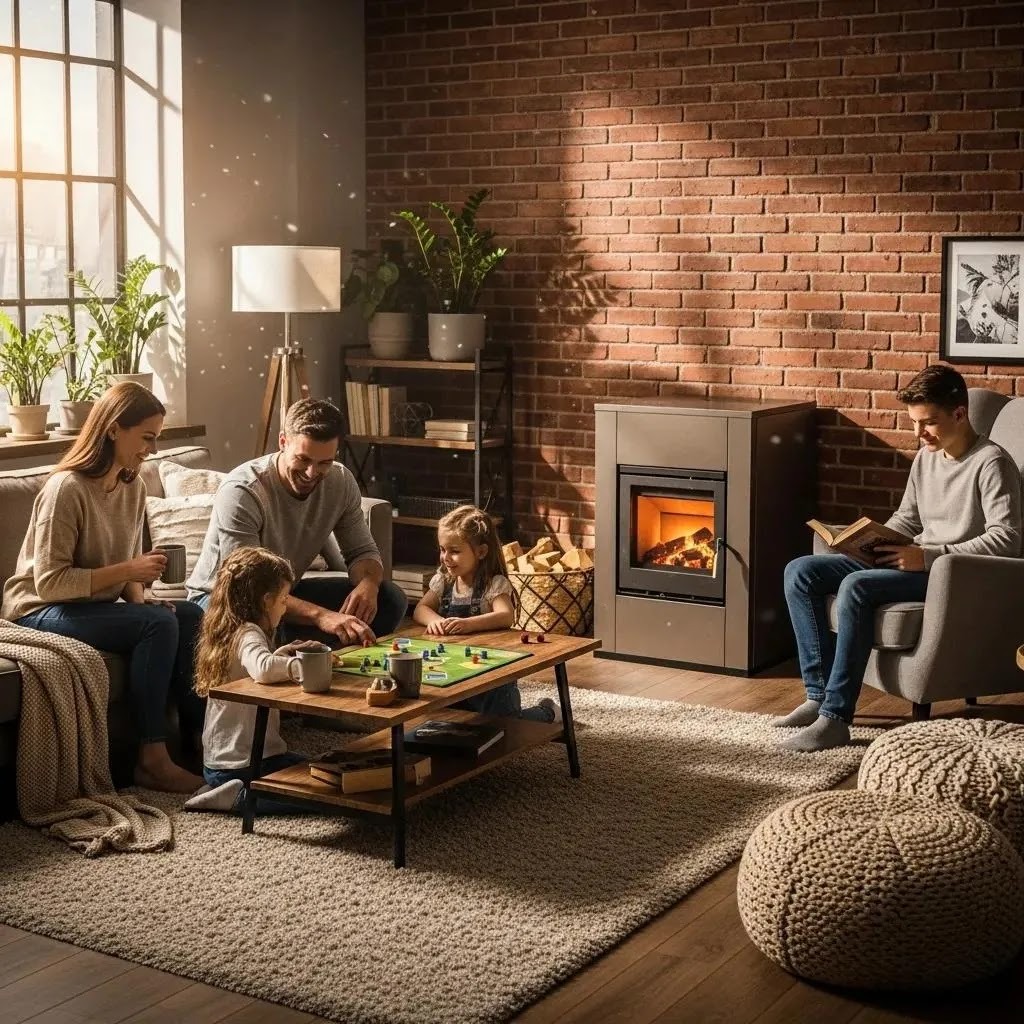
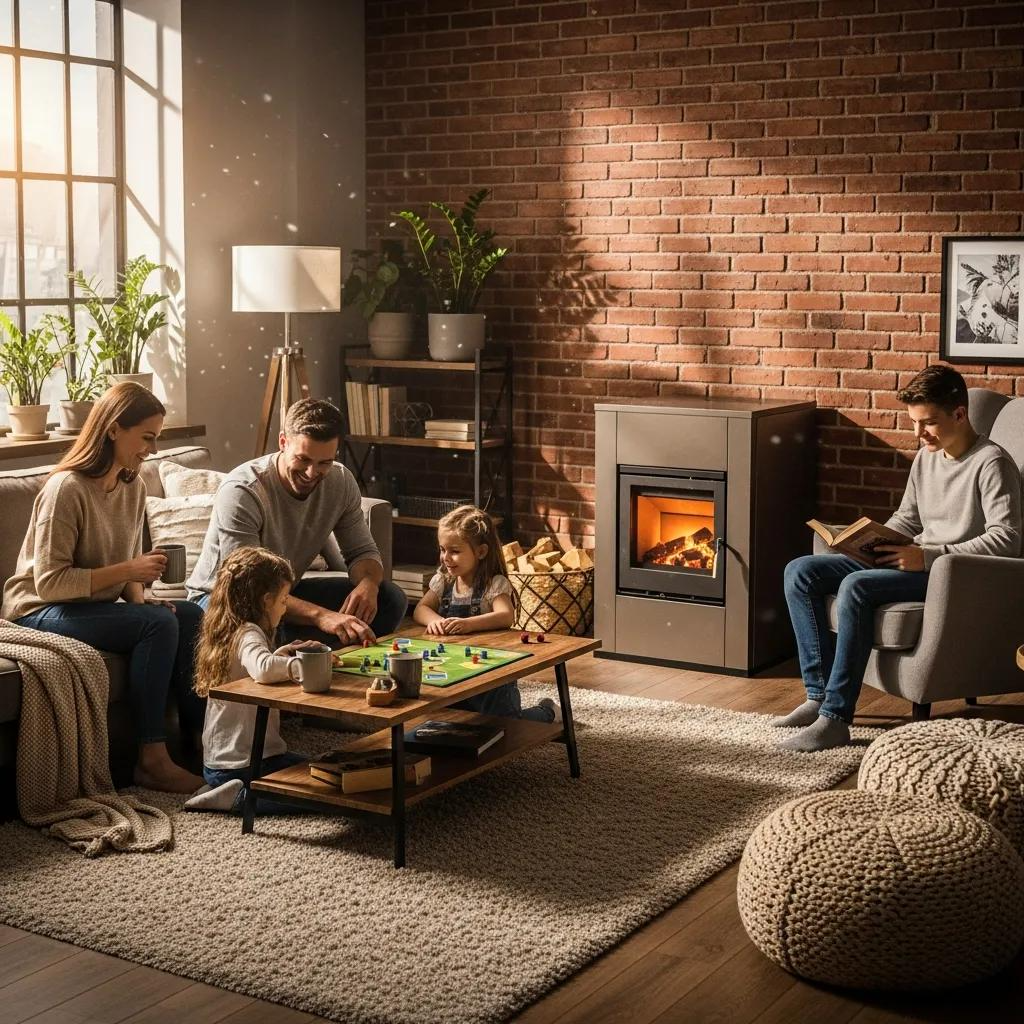
Energy efficiency in HVAC systems plays a crucial role in reducing operating costs and minimizing environmental impact. By optimizing heating, ventilation, and air conditioning, homeowners can achieve significant savings while contributing to a greener planet. This article explores the key benefits of energy-efficient HVAC systems, the importance of proper installation and regular maintenance in maximizing savings, and the latest eco-friendly technologies available. Additionally, it highlights Georgia-specific incentives for energy-efficient upgrades and explains how to engage professional HVAC services for the best results.
What Are the Key Benefits of Energy Efficient HVAC Systems?
Energy-efficient HVAC systems not only improve indoor comfort but also help reduce overall operating expenses. These systems are designed to deliver the same level of heating and cooling while consuming less energy, which leads to noticeable reductions in utility bills. Homeowners can enjoy a more comfortable living environment with consistent temperatures and improved air quality. Investing in such systems is a smart choice for those looking to save money and enhance their home's environment.
• Significant Energy Savings: Energy-efficient HVAC systems can lower energy consumption by a substantial margin, often up to 30%. This reduction translates into meaningful savings on monthly energy bills, making these systems cost-effective over time. By using less energy, homeowners also contribute to reducing overall demand on power grids.
• Improved Indoor Comfort: These systems maintain stable temperatures and humidity levels throughout the home, creating a more comfortable living space. Consistent climate control helps prevent hot or cold spots and reduces fluctuations that can cause discomfort. Enhanced comfort contributes to better health and well-being for occupants.
• Enhanced Indoor Air Quality: Advanced filtration technologies integrated into energy-efficient HVAC units help remove airborne pollutants, allergens, and contaminants. This results in cleaner indoor air, which is especially beneficial for individuals with allergies or respiratory conditions. Improved air quality supports a healthier home environment overall.
These advantages demonstrate that upgrading to energy-efficient HVAC systems is a wise investment for homeowners seeking to reduce costs and improve indoor living conditions. The combination of energy savings, comfort, and air quality makes these systems highly desirable.
How Does HVAC System Optimization Reduce Heating and Cooling Bills?
Optimizing HVAC systems involves implementing targeted strategies that reduce energy consumption while maintaining performance. Key measures include selecting the right system size, performing scheduled maintenance, and utilizing advanced controls and equipment. These steps enhance operational efficiency and help lower monthly energy expenses. Proper optimization ensures that the system works effectively without wasting energy.
• Energy Efficiency Improvements: Upgrading to high-efficiency HVAC models can significantly decrease energy usage. These modern systems incorporate advanced technologies that maximize output while minimizing power consumption. The result is a more cost-effective and environmentally friendly heating and cooling solution.
• Proper Sizing of Systems: Ensuring that HVAC equipment is correctly sized for the specific space is critical to avoid overworking the system. Oversized or undersized units can lead to inefficiencies, increased wear, and higher energy bills. Proper sizing helps maintain optimal performance and energy use.
• Smart Thermostat Benefits: Using smart thermostats allows homeowners to better control heating and cooling schedules. These devices can learn user preferences and adjust settings automatically, reducing unnecessary energy consumption. Smart thermostats also enable remote control, providing convenience and further energy savings.
What Environmental Advantages Do Green HVAC Solutions Provide?
Green HVAC solutions offer both financial and environmental benefits by integrating eco-efficient technologies. These systems help reduce greenhouse gas emissions and support sustainability goals. By choosing environmentally friendly options, homeowners contribute to protecting the planet while enjoying lower energy costs. Green HVAC technologies also improve indoor air quality, benefiting occupant health.
• Reduced Carbon Footprint: Energy-efficient HVAC systems emit fewer greenhouse gases, which helps combat climate change. Lower emissions contribute to cleaner air and a healthier environment for current and future generations. Choosing green solutions aligns with global efforts to reduce environmental impact.
• Use of Environmentally Friendly Refrigerants: Many modern HVAC systems utilize refrigerants with a lower impact on the ozone layer, such as R-410A. These refrigerants are designed to be less harmful and more sustainable compared to older alternatives. Using eco-friendly refrigerants supports environmental protection initiatives.
• Improved Indoor Air Quality: Enhanced filtration and ventilation technologies in green HVAC systems reduce indoor pollutants and allergens. This creates a healthier living space and can alleviate symptoms for those with respiratory issues. Cleaner air indoors also contributes to overall well-being.
How Can Efficient HVAC Installation Improve Energy Savings?
Proper installation is vital to achieving the rated efficiency of HVAC equipment. When systems are installed according to manufacturer specifications and industry standards, they operate at peak performance and deliver measurable energy savings. Skilled installation ensures that all components function correctly and that energy is not wasted due to poor setup. This foundation is essential for long-term system efficiency.
• Proper Sizing: Selecting and installing HVAC systems that are appropriately sized for the space is fundamental to efficiency. Correct sizing prevents the system from working harder than necessary, which reduces energy consumption and wear. It also ensures consistent comfort throughout the home.
• High-Efficiency Systems: Installing high-efficiency HVAC models can lead to significant energy savings over the system's lifespan. These units incorporate advanced features that optimize performance and reduce power use. Choosing high-efficiency equipment is a key step in lowering utility costs.
• Advanced Technologies: Incorporating the latest technologies, such as variable speed motors and smart controls, enhances system performance. These innovations allow the HVAC system to adjust output based on demand, improving efficiency and comfort. Advanced technologies also contribute to quieter operation and longer equipment life.
What Are the Best Practices for Installing Energy Saving HVAC Systems?
Following best practices during installation ensures that HVAC systems operate efficiently from the start. This includes conducting thorough pre-installation assessments, adhering precisely to manufacturer guidelines, and performing post-installation verification. Attention to detail during these steps prevents common issues that can reduce system efficiency and reliability. Proper installation sets the stage for optimal performance and energy savings.
• Thorough Inspection of Ductwork: Ensuring that ductwork is properly sealed and insulated is critical to prevent energy loss. Leaky or poorly insulated ducts can cause conditioned air to escape, reducing system efficiency. A careful inspection and correction of duct issues help maintain energy savings and comfort.
• Precise Installation Techniques: Following manufacturer instructions and industry standards during installation is essential for optimal system function. Proper mounting, electrical connections, and refrigerant charging all impact performance. Skilled technicians ensure that every step is completed correctly to maximize efficiency.
• Post-Installation Support: Providing homeowners with guidance on system operation and maintenance enhances long-term efficiency. Educating users about optimal settings and routine care helps sustain energy savings. Ongoing support also builds trust and satisfaction with the HVAC service provider.
How Do Local HVAC Experts Ensure Optimal Installation in Georgia?
HVAC professionals in Georgia bring valuable knowledge of regional climate conditions and building codes to their installations. Their expertise allows them to recommend and install systems tailored to local needs, ensuring optimal performance and energy savings. Familiarity with local regulations and weather patterns helps avoid common pitfalls and maximizes system longevity. Homeowners benefit from customized solutions that address Georgia's unique environment.
• Detailed Consultation: Local experts conduct thorough assessments of each home's specific requirements to recommend the most suitable HVAC systems. This personalized approach ensures that the selected equipment meets comfort and efficiency goals. Consultation also includes discussing budget and potential incentives.
• Professional Installation: Skilled technicians perform installations following best practices and local codes. Their experience ensures that systems are set up correctly and safely. Professional installation reduces the risk of future problems and supports energy-efficient operation.
• System Testing and Calibration: After installation, HVAC systems are tested and calibrated to verify optimal performance. This process includes checking airflow, refrigerant levels, and control settings. Proper calibration ensures that the system operates efficiently and reliably from day one.
Why Is Regular HVAC Maintenance Essential for Energy Efficiency?
Regular maintenance is key to preserving HVAC system efficiency and extending equipment lifespan. Routine inspections and servicing help identify and resolve issues before they lead to costly failures. Well-maintained systems operate closer to their designed performance levels, which reduces energy consumption and improves comfort. Maintenance also protects the homeowner's investment by preventing premature equipment replacement.
• Improved Efficiency: Scheduled maintenance helps detect and fix problems that can reduce system performance. Cleaning components, replacing filters, and checking refrigerant levels all contribute to smoother operation. Improved efficiency translates into lower energy bills and better comfort.
• Early Detection of Issues: Routine inspections allow technicians to identify potential problems early, preventing major breakdowns. Addressing small issues promptly avoids expensive repairs and system downtime. Early detection supports reliable HVAC operation throughout the year.
• Extended System Lifespan: Proper maintenance significantly prolongs the life of HVAC equipment. Regular care reduces wear and tear, helping systems run longer and more efficiently. Extending system lifespan provides better long-term value for homeowners.
How Does Routine Maintenance Contribute to HVAC System Optimization?
Routine maintenance is a proactive approach to sustaining HVAC system efficiency. Periodic checks and timely corrective actions improve overall performance and reduce energy consumption. Maintenance tasks such as cleaning coils, lubricating moving parts, and inspecting electrical connections keep the system running smoothly. This ongoing care helps maintain optimal comfort and lowers operating costs.
• Extending System Lifespan: Regular maintenance prevents excessive wear and tear, which can shorten equipment life. By addressing minor issues early, the system remains reliable and efficient for many years. This reduces the need for costly replacements and disruptions.
• Boosting Energy Efficiency: Well-maintained HVAC systems consume less energy to deliver the desired heating or cooling. Clean filters and properly charged refrigerant improve airflow and heat transfer. Enhanced efficiency leads to noticeable savings on energy bills.
• Preventing Costly Breakdowns: Early identification of potential problems through maintenance helps avoid unexpected system failures. Preventative care reduces repair expenses and inconvenience for homeowners. Consistent maintenance supports uninterrupted comfort.
What Energy Saving HVAC Tips Can Extend System Lifespan and Performance?
Homeowners can take several practical steps to support HVAC system longevity and efficiency. Implementing these measures helps reduce energy use and ensures reliable performance. Simple actions such as regular filter changes and duct sealing contribute significantly to system health. Using smart thermostats further optimizes energy consumption by adapting to user habits.
• Regular Filter Changes: Replacing air filters every 1-3 months maintains optimal airflow and system efficiency. Clean filters prevent dust buildup and reduce strain on components. This simple practice improves indoor air quality and lowers energy costs.
• Duct Sealing: Sealing ducts prevents conditioned air from escaping, which enhances system performance. Properly sealed ducts reduce energy waste and improve comfort by delivering air where it is needed. This measure can lead to noticeable savings on heating and cooling bills.
• Smart Thermostat Usage: Utilizing smart thermostats allows homeowners to optimize heating and cooling schedules for maximum efficiency. These devices learn user preferences and adjust settings automatically to reduce energy consumption. Smart thermostats also provide remote control capabilities for added convenience.
Which Eco-Friendly Heating and Cooling Technologies Are Most Effective?
The HVAC industry has introduced several eco-friendly technologies that significantly improve energy performance. These innovations help reduce operating costs and minimize environmental impact. By adopting these technologies, homeowners can enjoy enhanced comfort while supporting sustainability. The following solutions are among the most effective in modern HVAC systems.
• Smart Thermostat Integration: Smart thermostats provide precise control over heating and cooling, optimizing energy use based on occupancy and preferences. They reduce unnecessary runtime and adapt to changing conditions. Integration with other smart home devices further enhances efficiency.
• Zoned Heating Technology: Zoned heating allows individualized temperature control in different areas of the home, reducing energy waste. This technology ensures that only occupied spaces are heated or cooled, improving comfort and lowering costs. Zoned systems offer flexibility and customization for diverse household needs.
• Heat Pumps: Heat pumps provide efficient heating and cooling by transferring heat rather than generating it. This method uses less energy compared to traditional systems and can significantly reduce utility bills. Heat pumps are versatile and suitable for a wide range of climates.
How Do Smart Thermostats Enhance Energy Efficiency in HVAC Systems?
Smart thermostats are a key component of modern energy-efficient HVAC systems. They offer precise control and data-driven adjustments that minimize unnecessary system operation. By learning user habits and preferences, smart thermostats optimize energy use without sacrificing comfort. Their remote control capabilities add convenience and further energy savings.
• Remote Control Capabilities: Homeowners can adjust thermostat settings from anywhere using mobile devices. This feature ensures that HVAC systems are not running when the home is unoccupied, saving energy. Remote access also allows quick responses to changing weather or schedules.
• Learning User Preferences: Smart thermostats analyze daily routines and adjust heating and cooling accordingly. This adaptive behavior reduces energy waste by avoiding unnecessary operation. Over time, the system becomes more efficient at maintaining comfort with minimal energy use.
• Integration with Zoning Systems: Smart thermostats can work in conjunction with zoning technology to provide tailored heating and cooling solutions. This coordination enhances overall system efficiency and comfort. Users benefit from precise control over different areas of their home.
What Are the Benefits of HVAC Zoning and Duct Sealing for Energy Savings?
HVAC zoning and duct sealing are effective strategies for directing conditioned air where it is needed and minimizing distribution losses. Together, these approaches improve comfort and generate measurable energy savings. By controlling temperatures in specific zones and preventing air leaks, homeowners can reduce energy waste and enhance system performance.
• Individualized Temperature Control: Zoning technology allows different areas of the home to be heated or cooled based on specific needs. This targeted approach prevents energy waste in unoccupied spaces and improves comfort. Homeowners can customize settings for each zone to suit their preferences.
• Preventing Energy Loss: Sealing ducts stops conditioned air from escaping through leaks, which improves overall system efficiency. Properly sealed ductwork ensures that more heated or cooled air reaches the intended rooms. This reduces the workload on HVAC equipment and lowers energy consumption.
• Improving Overall System Efficiency: Combining zoning and duct sealing leads to significant energy savings and enhanced comfort. These strategies optimize airflow and temperature control throughout the home. The result is a more efficient HVAC system that operates cost-effectively.
What Local Incentives and Rebates Support Energy Efficient HVAC Upgrades in Georgia?
Homeowners in Georgia may qualify for various local incentives and rebates that help reduce the net cost of energy-efficient HVAC upgrades. These programs make it more affordable to invest in high-efficiency equipment by lowering upfront expenses. Taking advantage of available incentives can improve the return on investment and encourage sustainable home improvements.
• Home Energy Rebates: Many utility companies in Georgia offer rebates for energy-efficient HVAC upgrades. These rebates help offset the initial cost of purchasing and installing qualifying equipment. Homeowners should check with their local utility providers to learn about available programs.
• Georgia Power Rebates: Specific rebate programs are available for customers of Georgia Power, providing financial incentives for installing energy-efficient systems such as heat pumps. These programs support the adoption of advanced HVAC technologies that reduce energy consumption. Participating in these rebates can make upgrades more accessible.
• Federal Tax Credit: Homeowners may also be eligible for federal tax credits related to energy-efficient home improvements. Programs like the Residential Energy Efficiency Property Credit offer financial benefits for qualifying HVAC installations. Combining federal and local incentives maximizes savings potential.
How Can Homeowners Access Georgia-Specific Energy Rebates for HVAC?
To claim energy rebates in Georgia, homeowners must follow program procedures and submit the required documentation. Proper completion of applications ensures eligibility and timely receipt of benefits. Working with knowledgeable HVAC professionals can simplify the process and help homeowners take full advantage of available incentives.
• Explore State Programs: Homeowners should research and identify state and local programs offering rebates for energy-efficient HVAC upgrades. Understanding program details and eligibility criteria is essential for successful applications. Staying informed about deadlines and requirements helps avoid missed opportunities.
• Utilize Federal Tax Credits: Familiarity with federal tax credit programs can further enhance savings on HVAC improvements. Homeowners should verify eligibility and documentation needed to claim these credits. Combining federal and state incentives provides the greatest financial benefit.
• Consult with Professionals: HVAC experts can assist homeowners in navigating rebate applications and ensuring all necessary paperwork is completed accurately. Their experience helps avoid common errors and streamlines the process. Professional guidance increases the likelihood of receiving incentives.
What Are the Eligibility Criteria and Application Processes for These Incentives?
Eligibility and application requirements vary among different rebate and tax credit programs. Homeowners should carefully review criteria such as installation dates, equipment efficiency ratings, and documentation standards. Accurate and timely submission of applications is critical to securing benefits. Consulting with HVAC professionals can provide clarity and support throughout the process.
• Eligibility for Federal Tax Credit: To qualify for federal tax credits, homeowners must meet specific conditions related to installation timing and equipment performance. Understanding these requirements ensures that investments are eligible for financial incentives. Keeping detailed records of installations and certifications is important.
• Local and State Rebates: Each local or state rebate program may have unique eligibility rules and application procedures. Homeowners should review these carefully to confirm qualification. Adhering to program guidelines helps prevent delays or denials.
• Application Support: Many HVAC service providers offer assistance with rebate and tax credit applications. Their expertise helps ensure that all necessary documentation is submitted correctly and on time. This support can simplify the process and improve success rates.
How to Schedule and Benefit from Professional Energy Efficient HVAC Services?
Scheduling professional HVAC services is essential to ensure that systems are installed and maintained to deliver optimal performance. Engaging qualified technicians provides homeowners with tailored recommendations and expert care that preserve system efficiency over time. Professional services help maximize energy savings and extend equipment lifespan. Homeowners benefit from peace of mind knowing their HVAC systems are in capable hands.
• Initial Consultation: A comprehensive consultation helps identify the best HVAC solutions for each home's unique needs. Professionals assess factors such as home size, insulation, and occupant preferences. This personalized approach ensures that recommended systems deliver maximum efficiency and comfort.
• Expert System Selection: HVAC experts recommend systems that align with the homeowner's budget and energy goals. Their knowledge of the latest technologies and local conditions supports informed decision-making. Selecting the right equipment is critical to achieving long-term savings.
• Post-Installation Support: Ongoing support from HVAC professionals ensures that systems continue to operate efficiently after installation. This includes routine maintenance, troubleshooting, and performance optimization. Reliable post-installation care helps maintain energy savings and system reliability.
What Should Customers Expect During an Energy Efficient HVAC Service Appointment?
During a service appointment, customers receive a thorough evaluation of their HVAC system and actionable recommendations. Technicians perform diagnostics to identify any issues affecting performance and energy use. They provide guidance on maintenance and system operation to help homeowners maintain efficiency. The appointment is designed to enhance system reliability and comfort.
• Easy Scheduling: Appointments can often be arranged at times convenient for the homeowner, minimizing disruption. Flexible scheduling options accommodate busy lifestyles. Prompt service helps address HVAC needs quickly.
• Expert Diagnosis: Technicians conduct a detailed assessment of the HVAC system, including airflow, refrigerant levels, and component condition. This thorough evaluation identifies any problems that may reduce efficiency or comfort. Accurate diagnosis is the foundation for effective repairs and maintenance.
• Post-Service Follow-Up: After completing the service, customers receive advice on how to maintain their HVAC systems for optimal performance. Technicians may recommend future maintenance schedules or upgrades. Follow-up support helps ensure lasting energy savings and system health.
How Does Southeast Heating and Cooling LLC Provide Personalized, Cost-Saving Solutions?
Southeast Heating and Cooling LLC offers customized HVAC solutions that prioritize energy efficiency and cost reduction. Their approach includes comprehensive energy-saving evaluations, tailored comfort plans, and transparent pricing to empower homeowners to make informed decisions. By focusing on individual needs, they deliver systems that optimize performance and minimize expenses. Southeast Heating and Cooling LLC is committed to helping customers achieve their energy efficiency goals with reliable and affordable services.
• Energy-Saving Evaluations: The company conducts detailed assessments to identify opportunities for reducing energy consumption. These evaluations consider the home's unique characteristics and current system performance. Recommendations are designed to maximize savings and comfort.
• Custom Comfort Plans: Southeast Heating and Cooling LLC develops personalized HVAC plans that address each home's specific requirements. These plans ensure that the installed systems provide optimal comfort while minimizing energy use. Customization enhances satisfaction and efficiency.
• Transparent Pricing: Clear and upfront pricing helps homeowners understand the costs associated with their HVAC services. Southeast Heating and Cooling LLC provides detailed estimates without hidden fees, fostering trust and confidence. Transparent pricing supports informed decision-making.
To learn more about customized, cost-saving HVAC solutions, contact Southeast Heating and Cooling LLC today. Their team is ready to assist with all your energy-efficient HVAC needs.
Take Action to Improve Your Home's Energy Efficiency Today
Investing in energy-efficient HVAC systems is a smart way to reduce operating costs while enhancing indoor comfort and air quality. Optimizing heating and cooling not only benefits your wallet but also supports environmental sustainability. Explore the range of HVAC services offered by Southeast Heating and Cooling LLC to improve your home's efficiency. Contact their expert team to discuss how they can help you achieve your energy-saving goals and enjoy a more comfortable living environment. Don't wait—take the first step toward a greener, more cost-effective home today. Contact Southeast Heating and Cooling LLC today.
Related Blogs
Customer Testimonials


Financing



Latest Blogs

Identifying Hidden Duct Leaks After a Summer of High Georgia Humidity
What Actually Constitutes an AC Emergency in August (And When It Can Wait Until Morning)
.avif)
Reliable HVAC Services in Buford, GA | Southeast Cooling & Heat