

How AC Systems Work: A Homeowner's Guide to Cooling Technology
By Southeast Heating and Cooling LLC, Southeast Heating and Cooling LLC
At Southeast Heating and Cooling LLC, we understand that knowing how your air conditioning system operates is crucial for maintaining indoor comfort and managing energy use effectively. This guide shares insights into the main components and mechanisms of cooling systems, explaining how they work together to deliver efficient performance. We recognize that homeowners often face challenges with temperature control and energy efficiency, and having a clear understanding of your system helps reduce uncertainty when troubleshooting or considering upgrades. We cover key components, the refrigerant cycle, common issues and solutions, benefits of energy-efficient systems, and maintenance practices that keep your system running smoothly.
What Are the Key Components of an Air Conditioning System?
Our air conditioning systems at Southeast Heating and Cooling LLC consist of several essential components working in harmony to provide conditioned air: the compressor, evaporator coil, condenser, and refrigerant. Each part has a specific role within the thermodynamic cycle, transforming warm indoor air into cooled, dehumidified air. Understanding these components helps you prioritize maintenance and ensures reliable, efficient operation.
How Does the Compressor Function in Cooling Systems?
The compressor acts as the mechanical heart of the system. It pressurizes the refrigerant, raising its temperature and enabling heat rejection at the condenser. During operation, the refrigerant changes from a low-pressure vapor to a high-pressure vapor, allowing controlled circulation throughout the system. The compressor’s performance directly impacts both cooling capacity and energy consumption, so keeping it in good condition is vital.
What Role Does the Evaporator Coil Play in Heat Transfer?
The evaporator coil is responsible for absorbing heat from the indoor air. As warm air passes over the coil, the refrigerant inside absorbs both sensible and latent heat, evaporating in the process and cooling and dehumidifying the air. At Southeast Heating and Cooling LLC, we emphasize the importance of keeping the evaporator coil clean and free of obstructions to maintain heat-transfer efficiency and system capacity.
How Does the Refrigerant Cycle Enable Efficient Cooling?
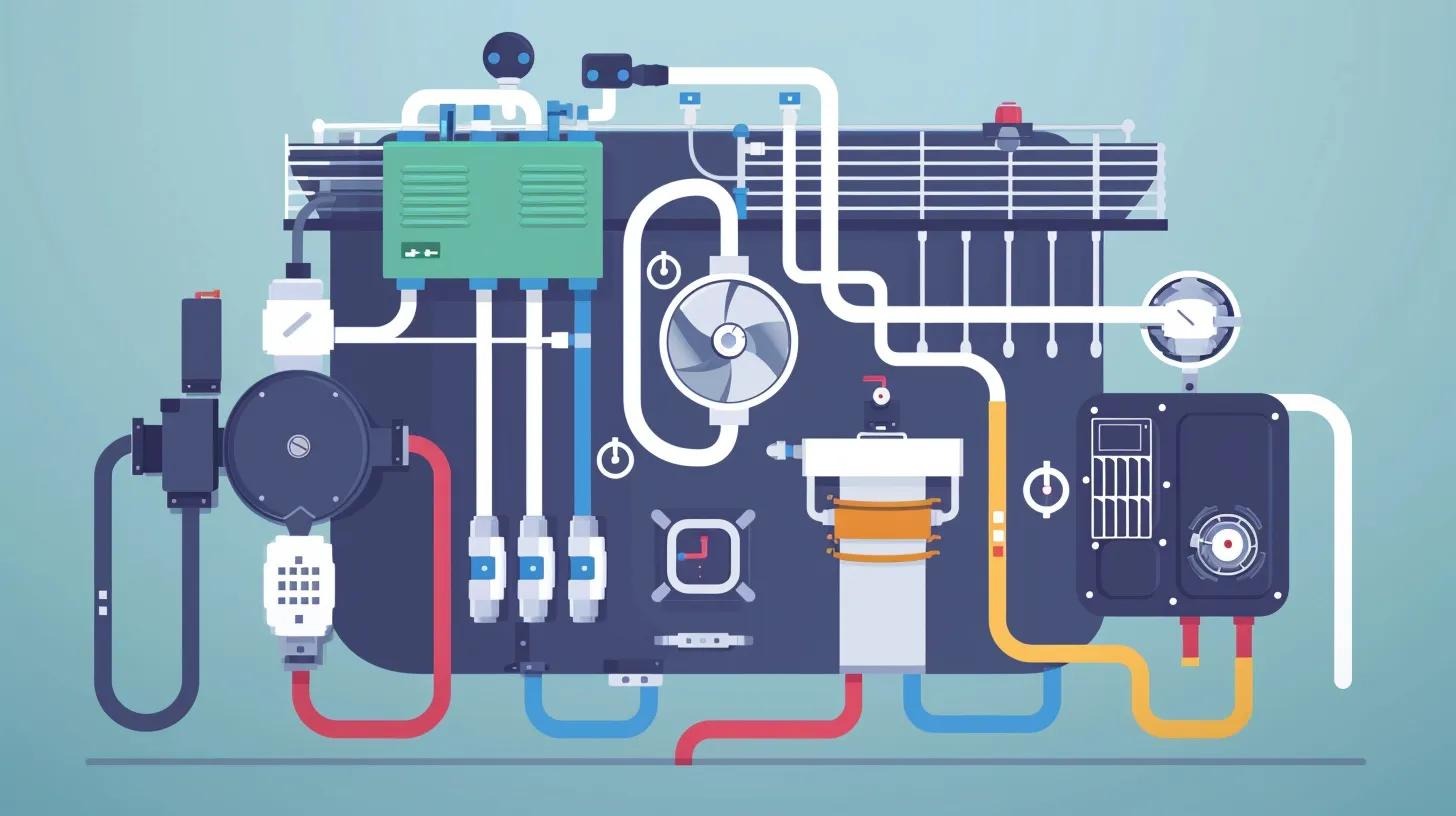
The refrigerant cycle is the thermodynamic process that transfers heat from inside your home to the outside environment. It involves four stages: evaporation, compression, condensation, and expansion. Each stage performs a specific energy exchange that collectively removes heat and helps regulate indoor temperature efficiently.
What Is the Process of Heat Transfer in the Refrigerant Cycle?
Heat transfer mainly occurs during evaporation and condensation. In the evaporator, the refrigerant absorbs heat and vaporizes; the compressor then increases the vapor’s pressure and temperature; the condenser releases that heat to the outdoor air and condenses the refrigerant back to liquid form. This cycle repeats continuously to maintain comfortable indoor temperatures.
How Do Refrigerants Facilitate Temperature Regulation?
Refrigerants play a key role in temperature regulation due to their thermophysical properties, which allow them to absorb and release heat efficiently. Common refrigerants we use include R-410A and R-22, each with unique performance and handling characteristics that influence system behavior. Choosing the right refrigerant affects cooling capacity, efficiency, and compliance with environmental regulations. At Southeast Heating and Cooling LLC, we help homeowners understand these factors and consider the environmental impact of refrigerant choices.
What Are Common Air Conditioner Problems and Their Solutions?
Residential air conditioning systems can experience issues that affect comfort and efficiency. Common problems include refrigerant leaks, clogged filters, and malfunctioning thermostats. Early detection and prompt repair help reduce costs and maintain system performance.
Why Does an AC Stop Cooling Effectively?
Loss of cooling capacity can stem from several causes. Refrigerant leaks reduce the amount of refrigerant circulating, which lowers heat-transfer efficiency. Airflow restrictions caused by dirty filters or blocked ducts also reduce the evaporator’s effectiveness. At Southeast Heating and Cooling LLC, we recommend regular maintenance and timely repairs to preserve your system’s rated cooling output.
How Can Homeowners Identify Signs of AC Failure?
We advise homeowners to watch for signs such as warm air coming from vents, unusual noises during operation, and unexpected spikes in energy bills. Recognizing these symptoms early allows for quick professional diagnosis and resolution, preventing more serious damage.
How Do Energy Efficient AC Systems Benefit Homeowners?
Energy-efficient air conditioning systems help reduce operating costs and lower environmental impact by providing the same level of comfort with less electricity. Upgrading to high-efficiency equipment through Southeast Heating and Cooling LLC can lead to significant utility savings while supporting your sustainability goals.
What Maintenance Practices Improve Energy Efficiency?
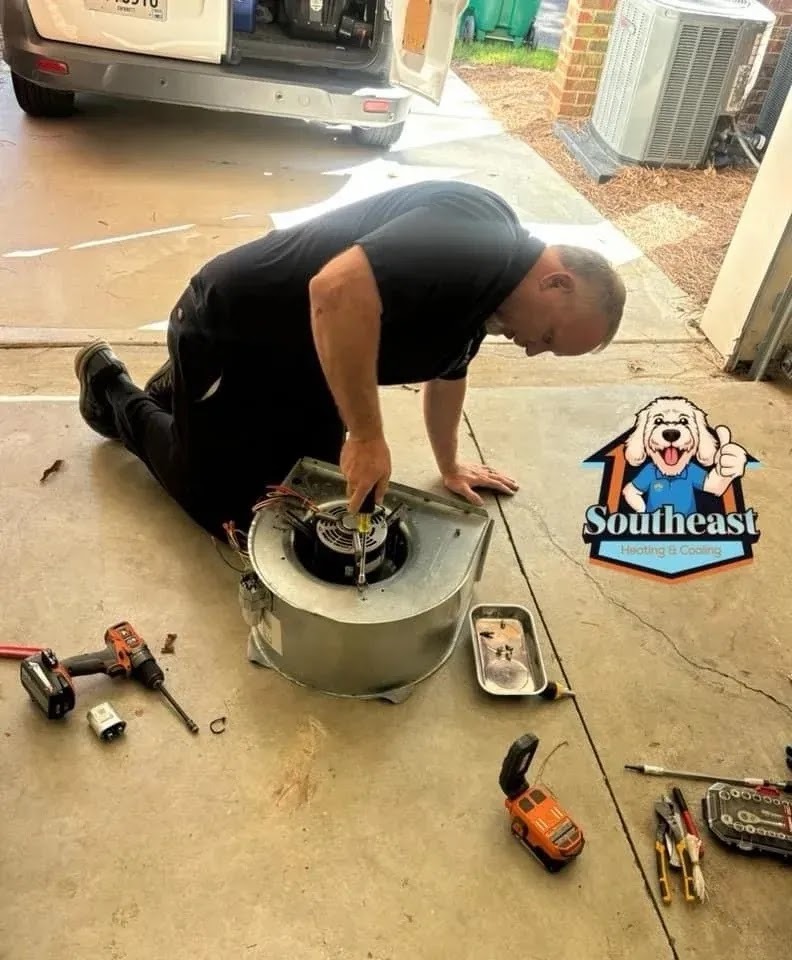
Consistent maintenance is key to preserving energy efficiency and extending equipment life. We recommend the following practices to keep your system performing at its best:
- Regular Filter Changes: Changing air filters every 1-3 months helps maintain proper airflow and system efficiency. Clean filters prevent strain on your AC and improve indoor air quality, which benefits your family’s health.
- Annual Professional Inspections: Scheduling yearly inspections with our qualified technicians allows us to identify and address potential issues before they become costly problems. These inspections ensure your system operates safely and efficiently throughout the cooling season.
- Cleaning Coils and Fins: Keeping the evaporator and condenser coils clean is essential for efficient heat exchange. Dirt and debris buildup reduce system performance and increase energy consumption, so regular cleaning is a smart investment.
How Do Proper Service Plans Reduce Energy Bills?
At Southeast Heating and Cooling LLC, we offer service plans that include scheduled maintenance and systematic component servicing. These plans help maintain peak efficiency, reduce the risk of breakdowns, and limit unexpected repair expenses. Homeowners enrolled in our comprehensive plans often experience lower energy use due to optimized system operation.
We continuously explore innovations in residential maintenance to enhance equipment efficiency and performance beyond standard practices.
What Maintenance Tips and Service Plans Optimize AC Performance?
To optimize your AC’s performance, we suggest adopting these maintenance measures:
- Schedule regular professional maintenance with Southeast Heating and Cooling LLC to address potential issues before they escalate. Our expert technicians provide thorough inspections and repairs tailored to your system’s needs.
- Keep the outdoor unit clear of debris such as leaves and dirt to ensure proper airflow. This simple step helps your system run smoothly and prevents unnecessary wear.
- Use programmable thermostats to manage cooling schedules efficiently. By setting temperature preferences based on your daily routine, you can reduce energy consumption without sacrificing comfort.
How Often Should Homeowners Schedule AC Maintenance?
We recommend scheduling AC maintenance at least once per year, ideally before the cooling season begins. Annual servicing helps preserve efficiency, extend equipment life, and reduce the risk of unexpected failures, ensuring your system is ready when you need it most.
What Are the Advantages of Professional HVAC Service Plans?
Our professional HVAC service plans offer several benefits, including:
- Priority Service: Members receive priority scheduling for repairs and maintenance, minimizing downtime and inconvenience.
- Cost Savings: Regular maintenance helps prevent costly repairs and extends the lifespan of your system, saving you money over time.
- Comprehensive Coverage: Many of our plans cover routine maintenance tasks, ensuring your system remains in optimal condition without unexpected expenses.
The table summarizes the principal components, their functions, and operational importance, highlighting their roles in sustaining efficient cooling.
This table outlines recommended maintenance tasks, suggested frequencies, and the benefits they provide, helping homeowners prioritize upkeep effectively.
At Southeast Heating and Cooling LLC, we believe that a practical understanding of air conditioning operation combined with routine maintenance ensures your system functions efficiently and reliably. These measures improve occupant comfort, reduce energy costs, and minimize environmental impact.
Get Expert Air Conditioning Service in Your Area
If you’re ready to enhance your home’s comfort and energy efficiency, contact Southeast Heating and Cooling LLC today. Our experienced team is here to provide professional maintenance, repairs, and system upgrades tailored to your needs. Don’t wait for problems to arise—schedule your service now and experience the difference of working with trusted HVAC experts in your community. Schedule Your Service.
Related Blogs
Customer Testimonials


Financing



Latest Blogs

Identifying Hidden Duct Leaks After a Summer of High Georgia Humidity
What Actually Constitutes an AC Emergency in August (And When It Can Wait Until Morning)
.avif)
Reliable HVAC Services in Buford, GA | Southeast Cooling & Heat