

Troubleshooting Common Furnace Problems — Simple, Safe Steps to Diagnose and Fix Them
A broken furnace can throw your household into chaos when temperatures drop. This guide walks homeowners through easy, safe ways to diagnose the most common furnace problems so you can tell which fixes you can do yourself and when to call a pro. We cover the usual failure areas — power and control faults, airflow blockages, ignition and combustion problems, and safety-critical component issues — and show how to triage symptoms without creating hazards like carbon monoxide exposure. You'll get clear troubleshooting steps for thermostat quirks, tripped breakers and pilot/ignition faults, dirty filters and blower problems, odd noises, and safe pilot relight procedures, plus thresholds that indicate professional help. The guide also includes quick checklists, symptom-to-cause tables, and cost ranges to help you plan for repairs or replacement. Read on to get your furnace back to work fast, keep your home safe, and know exactly when to bring in a trained HVAC technician.
Why Is My Furnace Not Heating? Common Causes and Solutions
When a furnace won't produce heat, the usual culprits are power or control failures, ignition or fuel interruptions, safety-limit trips caused by overheating, or restricted airflow that prevents heat transfer. Start with a few safe, high-impact checks in order — thermostat mode and batteries, circuit breakers, filter condition, and basic pilot/ignition observations — before attempting anything inside the unit. Those first steps protect your safety, clear up easy fixes, and point you toward problems that require a licensed technician. Below are the top items to check first and the next steps for diagnosis.
Common initial checks to perform when the furnace won't produce heat:
• Thermostat settings and batteries: Make sure the thermostat is set to Heat and the target temperature is higher than the room temperature.
• Power supply and breakers: Verify the furnace breaker is ON and the service switch at the furnace is in the ON position.
• Air filter and airflow: Look for a clogged filter — restricted airflow can cause overheating and limit-switch trips.
• Pilot/ignition and gas supply: Confirm a standing pilot is lit or that the electronic igniter cycles; if you smell gas, evacuate immediately.
These prioritized checks help you rule out the easy fixes and set up a safe, logical path to inspect the thermostat, power, and ignition systems in more detail.
• Mode — Setting: Heat vs Cool — Recommended Check: Switch to Heat; raise the setpoint 2–3°F above room temperature
• Fan — Setting: Auto vs On — Recommended Check: Set to Auto so the system runs only during heating cycles; On keeps the fan running constantly
• Power — Setting: Battery/Power loss — Recommended Check: Replace batteries or inspect low-voltage wiring and transformer power
• Smart features — Setting: Connectivity — Recommended Check: Restart or reboot smart thermostat; check Wi‑Fi and schedule settings for conflicts
This quick-reference table pairs thermostat items with practical actions you can try before opening any panels. Start here — these checks are safe, fast, and often fix no-heat complaints.
If thermostat and power checks don't bring the furnace on, move to the breaker panel and the furnace service switch. The next section explains thermostat-specific issues, then covers power and pilot checks.
What Thermostat Settings Could Prevent Furnace Heating?
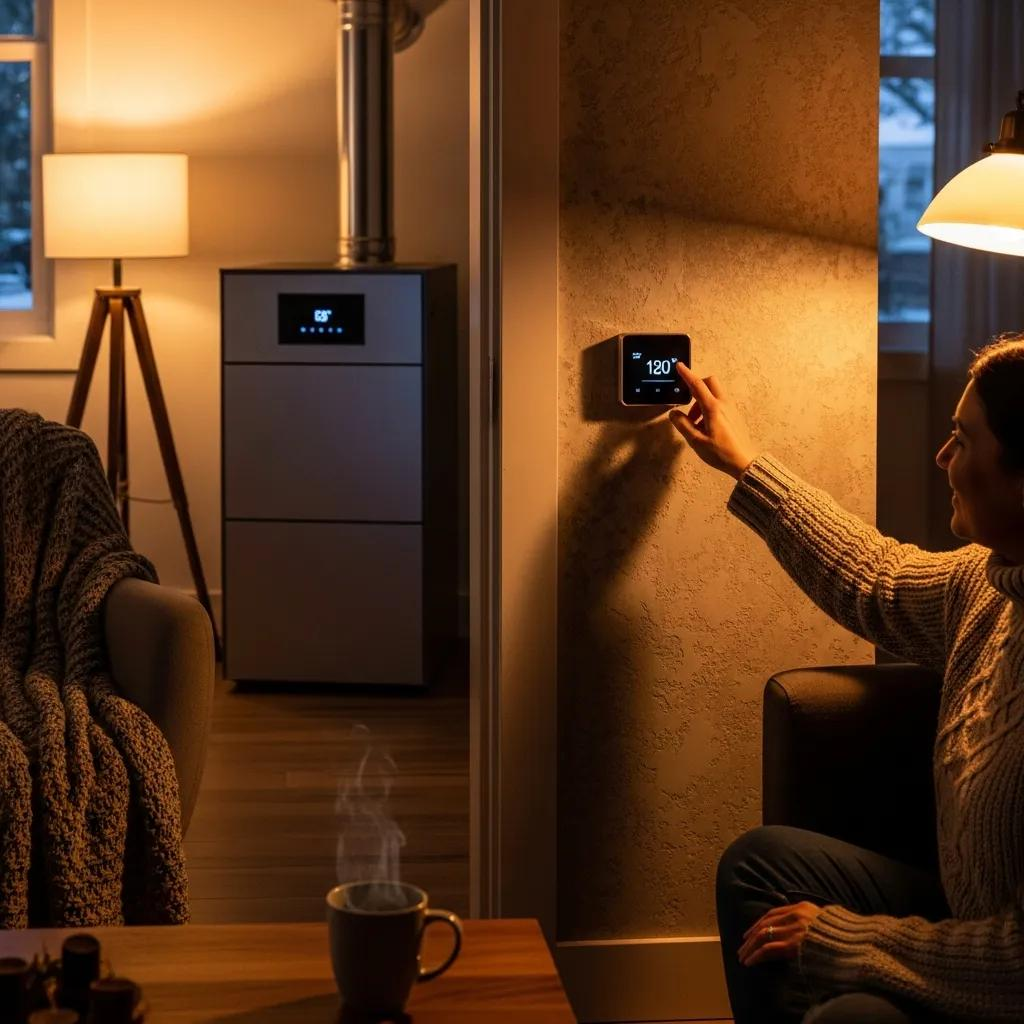
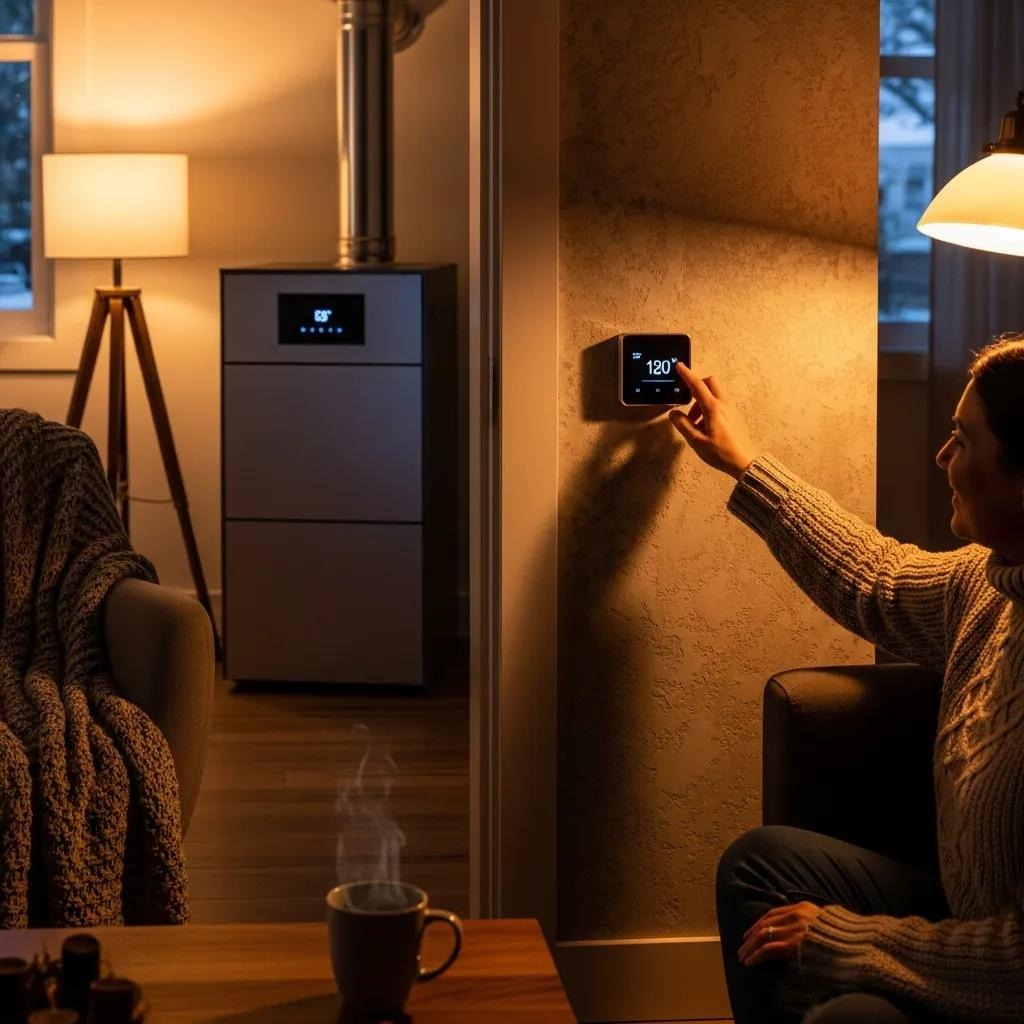
A thermostat left on Cool or set to a sleep schedule can make a perfectly good furnace seem dead. Weak batteries or lost connectivity on smart thermostats can also stop the call for heat. Think of the thermostat as the furnace's command center: confirm mode, setpoint, fan setting, and power. Replace weak batteries, override schedules, and toggle the thermostat between Heat and Off to force a fresh call for heat and watch for a response. If you have a smart thermostat, a quick reboot or switching to manual mode can reveal whether furnace repair or programming is at fault.
Once you've confirmed the thermostat is behaving, proceed to check the home's electrical supply and the furnace's ignition components, covered next.
What Causes a Furnace to Blow Cold Air and How Can I Fix It?
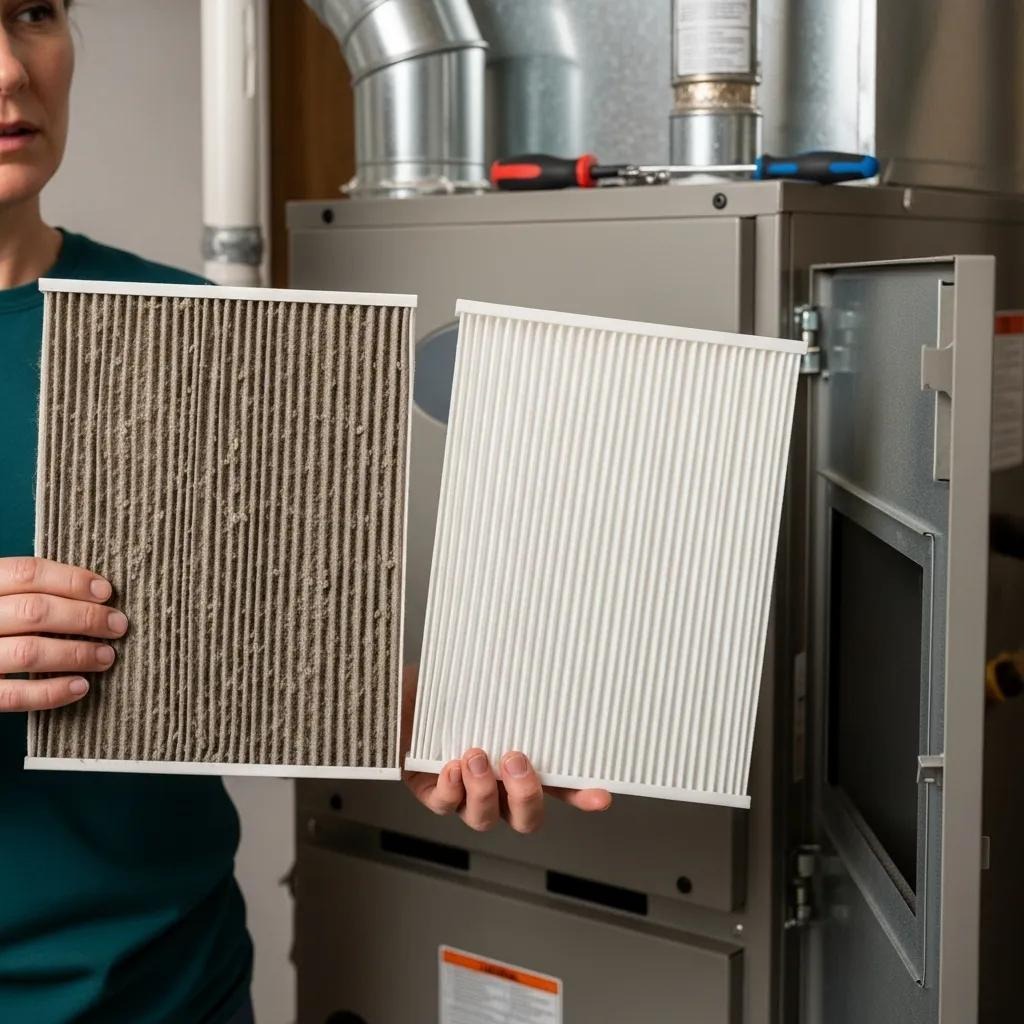
If the furnace runs but the registers only deliver lukewarm or cold air, the problem usually involves restricted airflow, incorrect thermostat or fan settings, blower motor failures, or ductwork issues that keep heat from reaching rooms. Start with the simplest items — check the air filter and fan mode — then move to the blower and the ducts if needed. Fixing airflow problems quickly prevents limit-switch trips and inefficient cycles that can damage parts. The table below helps you match symptoms to likely causes and decide whether a DIY fix is reasonable or a pro is needed.
Use this checklist to triage cold-air output and prioritize safe DIY fixes:
• Replace the air filter: A clogged filter reduces heat transfer and can cause the furnace to overheat and shut down.
• Check thermostat fan setting: If the fan is set to On, it may blow cold air between heating cycles.
• Listen at the furnace and registers: Weak airflow points to blower or duct problems; strong airflow that's still cold suggests an ignition or heat-exchange issue.
After trying those simple fixes, inspect the blower and ducts for mechanical problems or leaks; the H3 sections that follow explain how.
• Weak airflow at registers — Symptom Description: Low volume; air warms slowly — DIY Check: Replace filter, ensure vents are open — When to Call Pro: Suspect blower motor failure or collapsed ductwork
• Cold air despite blower running — Symptom Description: Fan runs at normal speed but air is cold — DIY Check: Confirm thermostat setpoint and that furnace is calling for heat — When to Call Pro: Possible ignition or heat-exchanger problem
• Intermittent warm/cold cycles — Symptom Description: Short on/off heat cycles — DIY Check: Check limit switch and change filter — When to Call Pro: Ongoing cycling or motor issues need tech service
This symptom-to-action table helps you compare what you observe with practical checks and shows when professional diagnostics are needed to avoid unsafe conditions.
How Does a Dirty Air Filter Impact Furnace Air Temperature?
A dirty or clogged filter limits supply airflow, lowering the amount of conditioned air and reducing heat transfer across the heat exchanger. That can force the furnace to overheat and trip safety limits. Replacing a disposable filter or cleaning a reusable one usually restores airflow and often fixes cold-air complaints while improving efficiency. Replace filters every 1–3 months depending on household activity and pets. Choose a MERV rating that balances particle capture with airflow — very high MERV filters can restrict airflow in older systems. Regular filter upkeep prevents premature wear and cuts down on service visits.
Filter replacement is a common homeowner fix; if problems persist, move on to blower and ductwork checks.
What Role Do the Blower Motor and Ductwork Play in Cold Air Issues?
The blower motor and its parts (capacitor, belt, bearings) produce the airflow that delivers warm air. A failing motor shows up as weak or irregular airflow. Ductwork problems — crushed sections, disconnections, or big leaks — can dump warm air into attic or crawlspaces and leave rooms cold even when the furnace is working properly. Simple checks include listening for unusual motor noises, feeling airflow at several registers to locate pressure drops, and (if you're qualified) inspecting voltage at the furnace. Mechanical repairs, duct sealing, or motor replacement should be done by a trained technician to ensure safe electrical and mechanical handling.
Fixing blower and duct problems often restores warm airflow; if you hear odd noises, that may point to deeper mechanical wear covered next.
How Can I Identify and Fix Strange Noises Coming from My Furnace?
Unusual sounds from your furnace are useful diagnostic clues — they often point to specific failing parts like belts, bearings, delayed ignition, or loose panels. A methodical listen during startup, steady run, and shutdown will narrow likely causes and the urgency of repairs. The list below maps common sounds to homeowner steps, and the following table and checklist help you decide when to act or call for service.
Common noise types and first-response actions:
• Banging or loud thump at startup: Could be delayed ignition or thermal expansion — shut off and call a pro if it happens often.
• Squealing or high-pitched whine: Often a worn blower belt or bad motor bearing — check belt tension if it's safely accessible.
• Rattling or clanking: Usually loose panels, debris in the blower area, or broken mounts — turn off power and inspect for loose screws or objects.
These prioritized checks help you determine whether a safe DIY fix is possible or if the problem needs immediate professional attention.
What Do Banging, Squealing, and Rattling Noises Indicate?
Banging often comes from delayed ignition — gas accumulates and ignites with a pop — which is a safety concern that requires a pro. Squealing usually means a worn belt or failing motor bearing; if your system uses a belt, a visual belt check is reasonable, but bearing repairs generally need a technician. Rattling suggests loose panels, fasteners, or foreign objects in the blower housing — turn off the power and visually inspect accessible covers for loose screws or debris. Recognizing these patterns shortens diagnostic time and gives helpful details to share with a technician.
Once you've mapped sounds to possible causes, inspecting belts and bearings is a practical next step discussed below.
How Can I Troubleshoot Blower Belt and Bearing Problems?
Start by switching power off and visually inspecting the blower belt for cracks, frays, or slack. If the belt looks damaged or loose, replacing or readjusting it can restore normal operation on belt-drive blowers. Bearings that grind or emit a constant squeal typically need lubrication or replacement; follow the manufacturer's guidance if lubrication is allowed and avoid oiling sealed motors. If disassembly appears necessary, stop and call a pro — motor replacement involves electrical and mechanical hazards. Note noise patterns, belt condition, and any burning smells to speed technician diagnosis when you schedule service.
Fixing mechanical wear prevents further damage and often stops the noises; when work goes beyond DIY, professional help is the safe choice.
How Do I Troubleshoot Pilot Light Problems in My Furnace?
Pilot and ignition failures are common reasons for no-heat conditions and must be handled with safety first. Know whether you have a standing pilot or an electronic ignition — that determines your troubleshooting steps. For standing-pilot units, safe relighting steps can restore operation if there's no gas smell and you follow the manufacturer's directions. For electronic-ignition furnaces, observe the control board and flame sensor behavior and avoid manual relighting. The checklist and steps below emphasize safety and list clear stop conditions like the smell of gas or repeated ignition failures.
Common ignition failure causes include thermocouple wear, dirty pilot or flame-sensor surfaces, gas supply interruptions, and failed igniters or control boards. If your furnace uses electronic ignition, do not try to light the burners manually — proceed to visual checks or call a technician.
• Safety checklist: Make sure you don't smell gas, open windows/doors for ventilation as needed, and have a long lighter or match per the manual.
• Turn gas control to PILOT: Depress the control knob and light the pilot as directed, holding the knob the required time to heat the thermocouple.
• Return to ON: After the pilot stays lit, set the control to ON and raise the thermostat to trigger a normal start.
Those steps work for many standing-pilot systems, but persistent failure or any gas odor means stop and call a professional right away.
How Can I Safely Relight a Pilot Light?
Before relighting, do a safety sweep: ensure good ventilation, confirm there's no gas odor, and follow the furnace's relighting instructions on the unit. Never relight if you smell gas or suspect a leak. With the valve at PILOT, press and hold the control knob while igniting the pilot and keep the knob depressed long enough for the thermocouple to sense heat. When the pilot stays lit, turn the control to ON and test by raising the thermostat. If the pilot won't remain lit or ignition cycles repeatedly, stop trying and call a professional. Keep a working carbon monoxide detector nearby when working on combustion equipment to monitor unseen hazards.
Safe relighting fixes many standing-pilot issues; if relighting fails or you have any safety concerns, contact a trained technician.
When Should I Call a Professional for Furnace Repair?
Call a professional when you see safety-critical signs (gas smell, carbon monoxide alarm, visible heat-exchanger damage), when work involves gas lines or major electrical repairs, or when repeated failures point to systemic problems that DIY can't fix. Professional technicians bring diagnostic tools, combustion analysis, and experience to identify cracked heat exchangers, gas-valve failures, and control-board faults — issues that are dangerous to handle without training. Below is a simple decision list to help you decide when to call now and when a DIY check is acceptable.
Decision thresholds for escalating to a professional:
• Call immediately: Gas odor, a triggered carbon monoxide alarm, or visible cracks/severe corrosion on the heat exchanger.
• Call soon: Repeated ignition failures, ongoing unusual noises, or motors that overheat or smell like burning.
• DIY first: Thermostat resets, filter changes, or a safe pilot relight per the manufacturer's instructions.
These guidelines protect your household and make clear when professional diagnosis and repairs are required; the next section lists specific hazards you should never attempt to fix yourself.
What Furnace Issues Require Expert HVAC Technician Help?
Do not attempt DIY work on cracked heat exchangers, gas-line or valve repairs, major electrical faults, or full motor and heat-exchanger assemblies — these jobs need special tools, safety protocols, and certifications. A cracked heat exchanger can allow combustion gases and carbon monoxide into your home, so call a professional immediately if you suspect damage. Gas-valve work and line modifications must be done by qualified technicians to ensure leak-free connections and code compliance. Complex electrical troubleshooting on control boards or high-voltage circuits also demands trained service to avoid fire or electrocution.
If you encounter any of these hazards, shut down the furnace per the owner's manual and contact a licensed HVAC technician for a full inspection and repair.
How Does Southeast Heating & Cooling Provide Emergency Furnace Repairs in Northeast Georgia?
Southeast Heating & Cooling LLC offers 24/7 emergency HVAC service and a full range of furnace work — service, replacement, maintenance, installation, and repair — to help homeowners when heat fails. We serve Northeast Georgia communities including Buford, Sugar Hill, Flowery Branch, Gainesville, Lawrenceville, and Duluth, and we focus on fast local response and experienced technicians who can run safety diagnostics and emergency fixes. If you notice gas odors, a carbon monoxide alarm, or repeated ignition failure, request emergency service through Southeast Heating & Cooling LLC's so trained professionals handle the hazard quickly and safely.
Knowing when to call and how local emergency service works helps you get heat back faster and keep your family safe.
When Is Furnace Replacement More Cost-Effective Than Repair?
Consider replacing the furnace when it's near the end of its expected life (about 15–20 years), has had multiple recent repairs, or when a single repair costs a large portion of replacement price — especially since a new, higher-AFUE furnace will save fuel costs. Frequent breakdowns, a corroded or cracked heat exchanger, or obsolete controls that limit repair options are strong signs replacement will give better reliability and lower long-term costs. Ask for a professional inspection that compares installed replacement price against cumulative repair costs and potential efficiency gains before deciding.
Steps to approach the replace-versus-repair decision:
• Get a professional inspection: A technician will test combustion, inspect the heat exchanger, and provide costed options.
• Compare lifecycle costs: Include energy savings from higher AFUE models and available rebates in the math.
• Consider reliability needs: If breakdowns are frequent, replacement often restores dependable heat and peace of mind.
These steps help you plan financially and choose the safest, most cost-effective path for your home.
Conclusion
Knowing how to troubleshoot common furnace problems helps you keep your home safe and comfortable through cold months. Use the practical checks in this guide to diagnose issues, perform safe DIY fixes, and recognize when to call a trained technician. Doing so saves time and money and helps your heating system run longer and more reliably. For professional service, emergency repairs, or preventive maintenance, contact Southeast Heating & Cooling — we're here to help keep your home warm and safe.
Related Blogs
Customer Testimonials


Financing


Latest Blogs
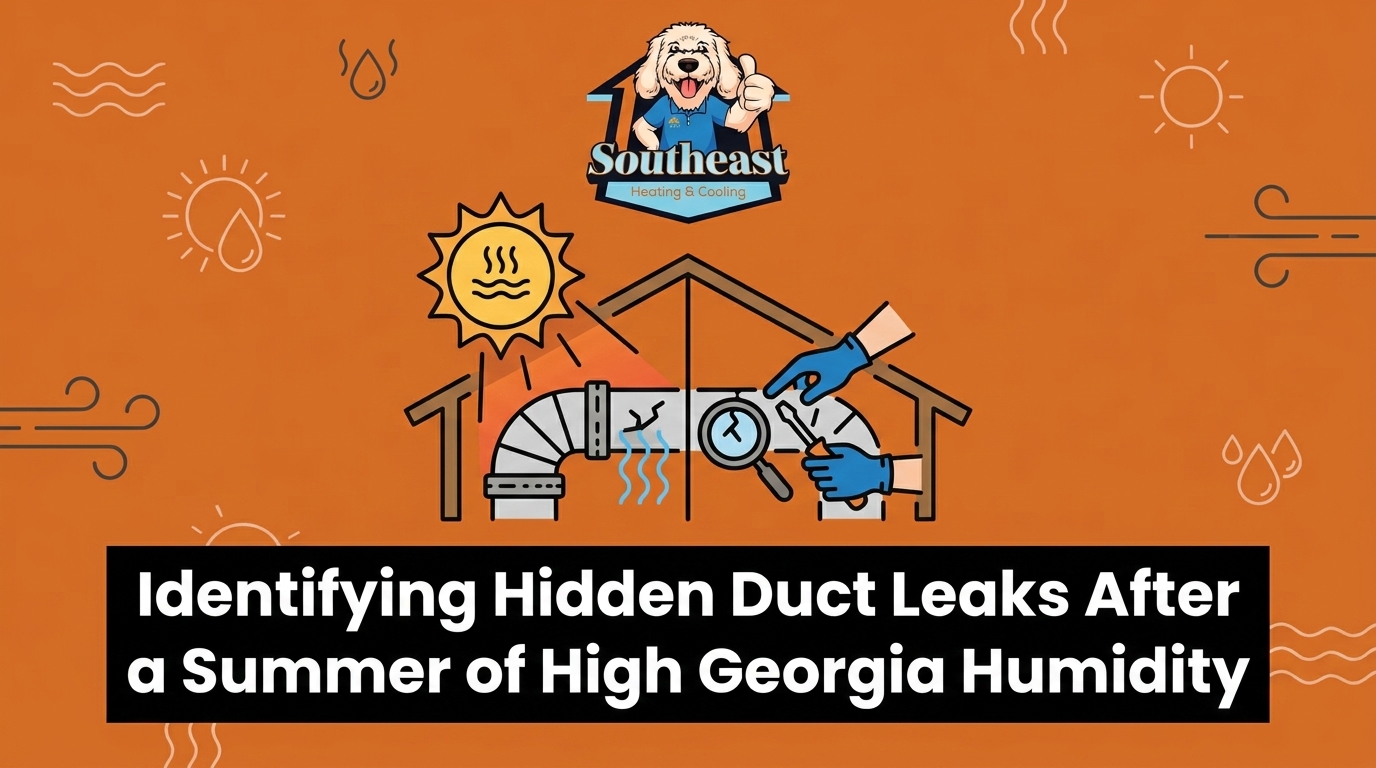
Identifying Hidden Duct Leaks After a Summer of High Georgia Humidity
What Actually Constitutes an AC Emergency in August (And When It Can Wait Until Morning)
.avif)
Reliable HVAC Services in Buford, GA | Southeast Cooling & Heat