

Ultimate Guide to Home Heating: Choose the Most Energy‑Efficient System for Your Home
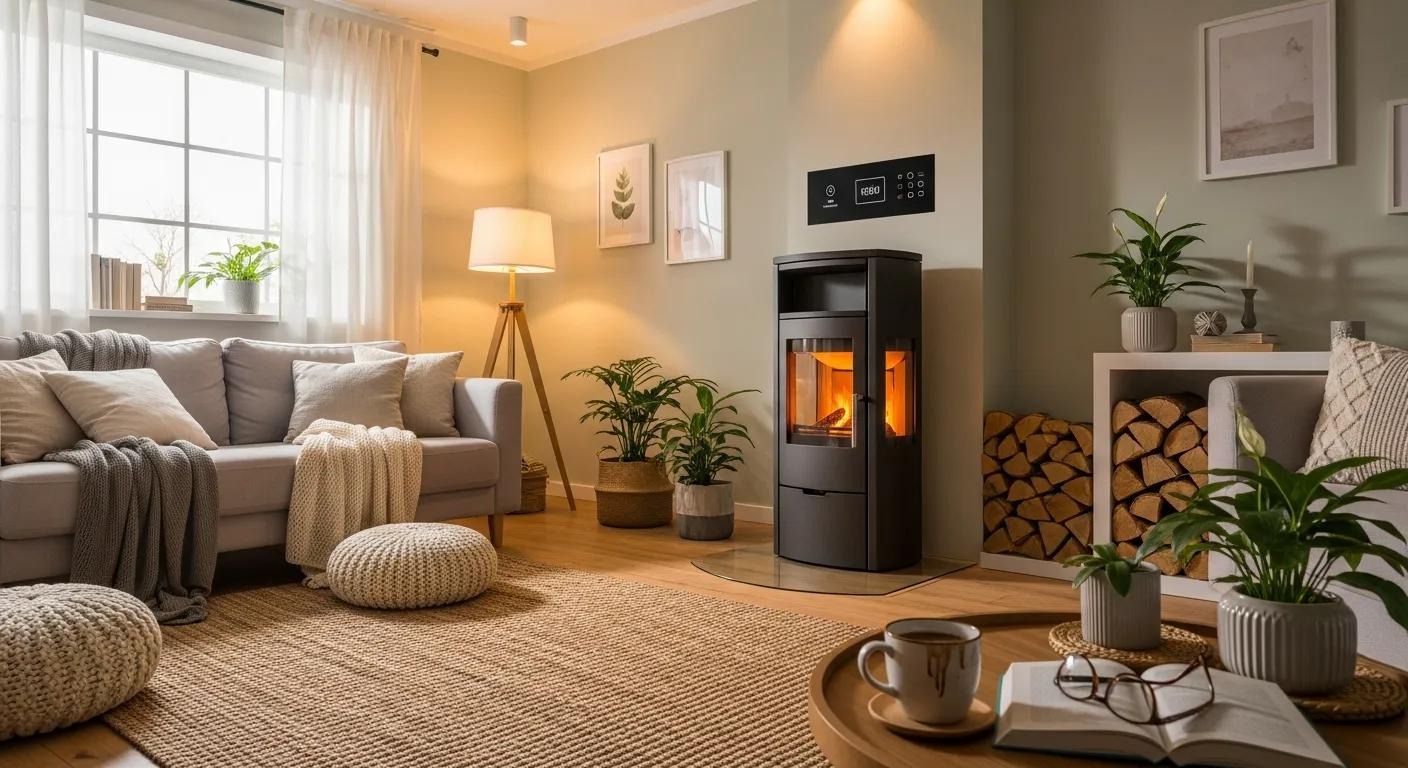
Keeping your home warm and energy costs under control starts with the right heating system. This guide walks you through common heating options, how to get the best efficiency, maintenance tips, and how to pick the system that fits your house and climate. With energy prices and environmental concerns rising, choosing an efficient system matters more than ever. Below you'll also find information about the services offered by Southeast Heating & Cooling LLC, a local provider serving homeowners across Northeast Georgia.
What Are the Most Common Types of Home Heating Systems?
There are several common ways to heat a home, and each has pros and cons depending on your house and climate. The most typical systems are furnaces, heat pumps, boilers, and radiant heat. They work differently and suit different home sizes and weather conditions—knowing how each performs helps you decide which one's right for you.
When comparing systems, consider how heat is delivered (air, water, or radiant surfaces), fuel type (electricity, gas, oil), and whether the system also provides cooling. Cost of operation, local fuel availability, and the layout of ductwork or piping in your house strongly influence which system will be most practical and cost‑effective.
How Furnaces Work and What Their Benefits Are
Furnaces heat air and push it through ducts to warm your home. They're a fast and effective option in colder climates and are available in high-efficiency models that cut energy use. Furnaces can run on gas, electricity, or oil, so you can choose based on fuel availability and cost where you live.
Furnaces are easy to pair with existing ductwork and are often less disruptive to install in homes that already have a forced‑air system. If you already have ducts, replacing the furnace is usually faster and less expensive than installing a new heating distribution method. Consider the fuel source, venting requirements, and whether you want zoning controls to manage different temperature needs in separate parts of the house.
What Heat Pumps Do and How They Compare to Furnaces
Heat pumps move heat instead of creating it, so they can heat and cool your home year‑round. In many climates, especially moderate ones, heat pumps are more energy‑efficient than furnaces. They can lose effectiveness in extreme cold (generally below 25°F / −4°C) unless you choose a cold‑climate heat pump built for those conditions. Think about local temperatures and energy prices when comparing heat pumps and furnaces.
There are several types of heat pumps—air-source, ductless mini‑split, and ground‑source (geothermal). Air‑source models are the most common and easiest to install, ductless models allow room‑by‑room control without ducts, and ground‑source units use stable underground temperatures for very efficient performance where installation is feasible. Your home's insulation, the size of the living space, and whether you want combined heating and cooling will guide the best heat pump choice.
Research increasingly favors electric heat pumps, especially as electricity grids get cleaner over time.
How Can You Maximize Energy Efficiency in Home Heating?
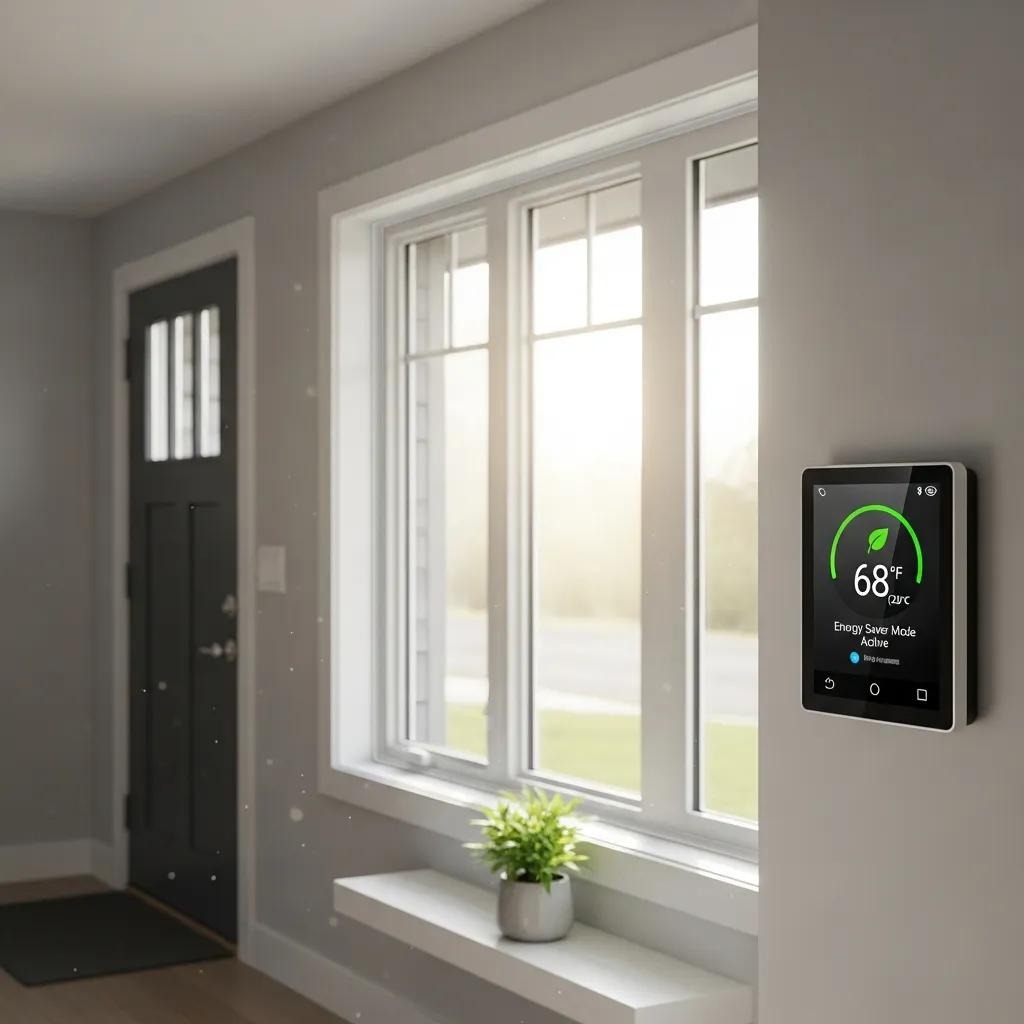
Improving heating efficiency reduces bills and your home's environmental impact. Focus on upgrading to efficient equipment, using smart controls, and sealing and insulating your home. Those three moves together make the biggest difference in how much energy your system uses.
Start with a whole‑house approach: evaluate the building envelope (insulation, windows, doors), then assess equipment efficiency and controls. Small fixes—like closing unused ducts, adding weatherstripping, or installing a programmable thermostat—often deliver quick payback. Larger investments, such as replacing an old furnace or adding insulation, produce bigger savings over several years.
Energy‑Efficient Technologies That Cut Heating Costs
Modern high‑efficiency furnaces and heat pumps use less energy to deliver the same comfort. Features like variable‑speed blowers and modulating gas valves let systems match output to demand, avoiding wasted energy. While these technologies can cost more up front, they often pay back over time through lower bills.
When shopping for equipment, look for clear efficiency ratings and ask the installer how the system performance will change in real‑world conditions. Variable‑speed components improve comfort and lower cycling losses. For heat pumps, pay attention to seasonal performance metrics and whether the unit includes features like enhanced cold‑climate operation or integrated defrost that matter in your region.
Some advanced systems, like ground‑source heat pumps, show notable energy savings versus other high‑efficiency options.
How Smart Thermostats and Insulation Boost Efficiency
Smart thermostats let you control temperature remotely and create schedules that lower heating when no one's home—an easy way to save. Good insulation and airtight sealing keep the heat inside, so your system doesn't have to work as hard. Insulate attics, walls, and floors, and seal drafts around windows and doors for the best results.
Beyond a thermostat, consider basic zoning and programmable schedules. Even simple behavioral changes—lowering the setpoint at night or when you're out—can reduce energy consumption without sacrificing comfort. Professional air sealing often uncovers drafts and gaps around plumbing penetrations, recessed lights, and attic access that are easy to fix and significantly reduce heat loss.
Keep in mind: smart‑thermostat savings depend on factors like outdoor temperature, air leakage, and insulation quality.
When Should You Repair or Replace Your Home Heating System?
Choosing repair or replacement depends on age, repair history, and efficiency. Look for signs your system needs attention so you can avoid surprise breakdowns and decide whether a new system makes more sense financially.
As systems age, repair frequency and parts costs typically rise. Maintain records of past repairs and ask your HVAC contractor for a clear assessment of remaining useful life and estimated annual operating cost. In many cases, a detailed comparison that includes installation cost, expected energy use, and likely repairs over the next several years makes the economics of replacement versus repair straightforward.
Signs Your Heating System Needs Repair
Unusual noises, uneven heating, and rising energy bills are common warning signs. If certain rooms stay cold or the system is louder than usual, call a pro—those symptoms often point to underlying issues that get worse without service.
Other warning signs include frequent short cycling, unusual odors, visible rust or corrosion, and pilot or ignition problems in combustion equipment. If you notice more than one of these issues, schedule a diagnostic visit—early fixes are usually less expensive and prevent safety concerns.
Benefits of Upgrading to a High‑Efficiency System
High‑efficiency systems lower monthly bills and usually improve comfort and indoor air quality. They also shrink your home's environmental footprint. While the initial cost can be higher, long‑term savings and fewer repairs often justify the investment.
Upgrading also creates opportunities to add modern controls, zoning, and filtration that improve comfort and health. When evaluating upgrades, consider total cost of ownership: installation, expected fuel or electricity use, maintenance, and likely lifespan. Many homeowners recoup investment through a combination of lower bills and increased home value.
How Do You Maintain Your Home Heating System for Optimal Performance?

Regular upkeep keeps your system running safely and efficiently. You can handle a few simple tasks yourself, but professional tune‑ups catch issues early and keep systems in top shape through the heating season.
Maintenance varies by system type, but a clear schedule helps: basic homeowner checks each month during the heating season, seasonal filter changes, and annual professional inspections. Documenting maintenance helps preserve warranties and demonstrates care if you sell your home.
DIY Maintenance Tasks Homeowners Can Do
Change air filters regularly, keep vents clear, and check thermostat settings. These easy steps improve airflow and efficiency and help prevent avoidable wear on the system.
• Check and replace filters every one to three months depending on type and use.
• Keep furniture and curtains away from registers and vents to ensure proper airflow.
• Visually inspect outdoor units (for heat pumps) and clear debris, leaves, and snow.
• Test smoke and carbon monoxide detectors if your heating uses combustion fuel.
These items are low cost and can extend the life of equipment while improving comfort. If you're unsure how to perform any check, consult the equipment manual or contact a licensed technician.
Why Professional HVAC Tune‑Ups Matter
During a tune‑up, a technician inspects and cleans components, checks safety devices, and makes adjustments so the system runs reliably. Scheduled service reduces the chance of costly breakdowns and helps your equipment last longer.
A professional visit typically includes inspecting electrical connections, testing safety controls, checking fuel or refrigerant levels, cleaning coils and burners, and verifying airflow. Technicians can also identify small problems—worn belts, failing motors, or blocked condensate drains—before they cause a failure late in the season.
How Do You Choose the Right Heating System for Your Home and Climate?
Pick a system based on local climate, the size and layout of your home, and your budget. Those three factors determine which options will be most comfortable and cost‑effective for you.
Consulting a qualified contractor for a load calculation (sometimes called a Manual J) is essential. Proper sizing ensures the system runs efficiently, avoids short cycling, and delivers even comfort. Oversized or undersized systems create performance and efficiency problems.
Factors to Consider: Climate, Home Size, and Budget
In colder climates, furnaces often deliver the steady warmth you need. In milder areas, heat pumps are an efficient choice. Home size affects system capacity, and your budget should account for both installation and long‑term operating costs.
Also consider distribution: ducted systems require intact ductwork, while radiant or ductless systems may be better if ducts are missing or in poor condition. Accessibility for maintenance, space for outdoor units, and neighborhood noise restrictions (for outdoor compressors) are practical considerations that affect installation feasibility and daily operation.
How Installation Costs and Lifespan Influence the Decision
Lower upfront costs can mean higher operating expenses or earlier replacement. Investing more initially in a quality, efficient system usually results in lower bills and fewer repairs over time. Balance short‑term cost with expected lifespan when deciding.
When getting quotes, ask for itemized proposals that include equipment, labor, permits, and any required modifications to ductwork or piping. A reputable contractor should explain warranty terms, projected efficiency, and estimated operating cost so you can compare options on a like‑for‑like basis.
What Heating Services Does Southeast Heating & Cooling Provide in Northeast Georgia?
Southeast Heating & Cooling LLC offers a full range of heating services for homeowners across Northeast Georgia. We handle installations, repairs, emergency service, and preventive maintenance to keep your home comfortable year‑round.
Our approach includes a site assessment to recommend systems that match your home and budget, full installation using industry best practices, and follow‑up support. We coordinate permits when required, provide start‑up and testing after installation, and leave documentation that explains system operation and maintenance needs.
Furnace and Heat Pump Installation and Repair Services
We install and repair both furnaces and heat pumps, ensuring systems are sized and set up correctly for reliable, efficient performance. Our technicians diagnose issues and make repairs to restore comfort quickly and safely.
Installation includes proper duct sealing, correct refrigerant charging for heat pumps, and testing airflow and safety features. For replacements, we take care to minimize disruption and ensure removal of old equipment is completed cleanly and in an environmentally responsible way.
How Emergency Repairs and Maintenance Plans Protect Your Home
We provide emergency heating repairs when problems happen unexpectedly, plus maintenance plans that schedule regular inspections and tune‑ups. These plans help prevent breakdowns, extend equipment life, and give you peace of mind.
Maintenance plans typically include priority scheduling, discounted labor rates for repairs, and seasonal inspections. Having a plan makes budgeting for service easier and avoids the higher costs and stress of last‑minute emergency calls on very cold days.
How Can You Reduce Your Heating Bills with Energy‑Efficient Solutions?
Lowering your heating bills is often a mix of equipment upgrades and smart habits. Small changes add up to noticeable savings over time.
Start by tracking energy use and bills so you can see the effects of individual changes. Combine behavioral adjustments—like slightly lowering the thermostat at night—with planned equipment upgrades for the best financial outcomes. Simple monitoring often reveals quick wins that pay back in weeks or months.
Practical Tips to Cut Energy Use and Costs
Seal drafts, use a programmable or smart thermostat, and keep up with regular maintenance. Also consider energy‑efficient appliances and LED lighting—combined, these steps reduce overall energy use and save money.
• Lower the thermostat a few degrees and add blankets or warmer clothing to reduce heating load without sacrificing comfort.
• Use ceiling fans on low in reverse mode to help distribute warm air from ceilings back into living areas.
• Zone your heating where possible so you only heat occupied rooms.
• Perform a simple attic inspection and add insulation where it's thin or missing.
These practical steps often involve low to moderate cost and make other investments—like a new furnace or heat pump—more effective by reducing the overall heating demand of the house.
Government Rebates and Financing Options for HVAC Upgrades
Many homeowners qualify for rebates or financing when they upgrade to energy‑efficient systems. These incentives can lower upfront costs and make efficiency upgrades more affordable. Check local and federal programs to see what's available in your area.
Programs often require specific equipment ratings or certified installers. Before you buy, confirm eligibility and document requirements so you don't miss incentives. Financing options such as energy improvement loans or contractor financing can spread the cost over time, making higher‑efficiency systems more accessible.
Why Choose Southeast Heating & Cooling for Your Home Heating Needs?
Picking the right HVAC partner matters. We're a local team focused on honest work, clear communication, and solutions that fit your home and budget.
We emphasize clear estimates, transparent explanations of tradeoffs, and professional installation practices. Our technicians provide written checklists after service so you know what was done and what to expect next. That transparency helps homeowners make informed, long‑term decisions about their heating systems.
Local Expertise and Customer Satisfaction
As a locally owned company, Southeast Heating & Cooling LLC understands Northeast Georgia homes and weather. We put customer satisfaction first and have a track record of reliable, professional service.
Local expertise also means understanding common regional issues—typical construction types, common comfort complaints, and practical solutions that fit area homes. Our local presence allows faster response times for service calls and better knowledge of local permitting and utility rebate processes.
How Our Licensed Technicians Deliver Reliable, Honest Service
Our technicians are licensed, insured, and trained on the latest HVAC equipment and best practices. We prioritize transparency—explaining options and costs so you can make the best decision for your home.
Technicians follow written procedures for diagnostics and offer multiple repair or replacement options when appropriate, explaining pros, cons, and expected costs. We also provide guidance on maintenance tasks homeowners can do between professional visits to keep equipment running efficiently.
Conclusion
Choosing the right heating system makes your home more comfortable and helps control energy costs and environmental impact. Understanding your options and focusing on efficiency and maintenance leads to long‑term savings. For tailored advice or service, reach out to Southeast Heating & Cooling LLC—we're ready to help you find the best heating solution for your home.
If you're ready to explore options, start with a no‑obligation home assessment to discuss system choices, expected operating costs, and any improvements to insulation or airflow. A clear plan and professional guidance will help you prioritize projects that deliver the best value and greatest comfort for your household.
Related Blogs
Customer Testimonials


Financing



Latest Blogs

Identifying Hidden Duct Leaks After a Summer of High Georgia Humidity
What Actually Constitutes an AC Emergency in August (And When It Can Wait Until Morning)
.avif)
Reliable HVAC Services in Buford, GA | Southeast Cooling & Heat